If you are asking, “does insurance cover roof replacement Florida homeowners need after a storm?” the honest answer is: it depends on the cause of damage, the policy, the roof’s condition, the deductible, and the documentation. So, does insurance cover roof replacement Florida homeowners need after wind or hurricane damage? Sometimes, but only when the facts and policy terms support it. In Miami-Dade, Broward, Palm Beach, and Monroe County, roof questions get complicated because hurricane wind, wind-driven rain, salt air, aging materials, and flood exclusions can overlap. Wind-driven rain means rain pushed into a building by wind, often through a storm-created roof opening or vulnerable roof detail. A licensed roofing contractor cannot decide coverage or manage your claim, but a clear roof inspection can help you understand what happened, what needs repair, and what a proper roofing estimate should include.
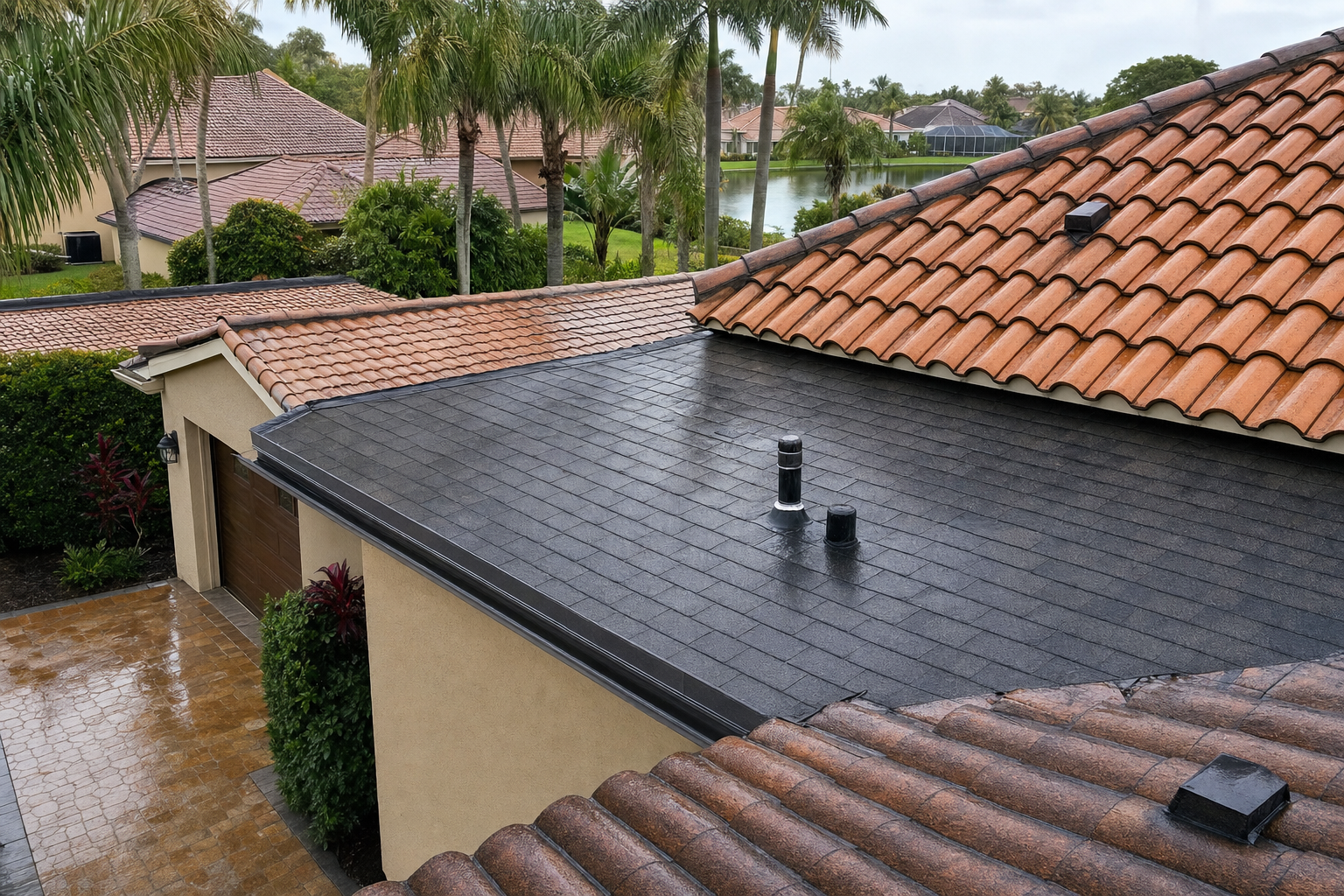
Does Insurance Cover Roof Replacement in Florida After Storm Damage?
Homeowners insurance is generally designed for sudden, accidental damage from covered events, not routine aging. For a Florida roof, that may include wind damage from a tropical storm, hurricane-force gusts, fallen debris, or wind-driven rain entering through storm-created roof openings, depending on the policy language. Florida roof coverage depends on the cause of damage, policy language, roof condition, deductible, and documentation.
The Atlantic hurricane season runs from June 1 through November 30, and an average Atlantic season has 14 named storms, 7 hurricanes, and 3 major hurricanes based on the 1991-2020 climate period. [1]
A roof replacement is more likely to be considered when the covered damage is widespread enough that repairs will not restore the roof system properly. On asphalt shingles, that may include missing shingles, creased tabs, exposed fasteners, damaged ridge caps, or torn underlayment. Roofing underlayment is the water-shedding layer installed beneath the roof covering, and it matters because tile, shingle, and metal roofs all depend on more than the visible surface. On tile roofs, storm roof damage Florida homeowners should document may include broken field tiles, displaced ridge tiles, damaged flashing, and underlayment failure after wind uplift. On metal roofs, it may involve lifted panels, failed fasteners, bent seams, or storm-related punctures.
What Usually Is Not Covered
Insurance does not normally function as a maintenance plan. A roof that has simply reached the end of its useful life may not qualify for replacement under a standard claim. In South Florida, common age-related issues include brittle shingles, cracked tile from long-term exposure, corroded fasteners near salt air, worn flashing, UV damage on low-slope materials, and ponding water on flat sections.
Flood is another major distinction. Florida law requires certain homeowners policy documents to warn that a homeowners policy does not include flood damage, even when hurricane wind and rain contributed to the flooding. [2]
That matters in coastal and low-lying areas from Miami Beach to the Keys. Flood damage and wind damage are evaluated under different insurance terms. Wind damage to the roof and flood damage from rising water are evaluated differently. A roofing inspection focuses on the roof system itself: roof covering, flashing, penetrations, underlayment indicators, decking concerns where visible, and interior leak paths.
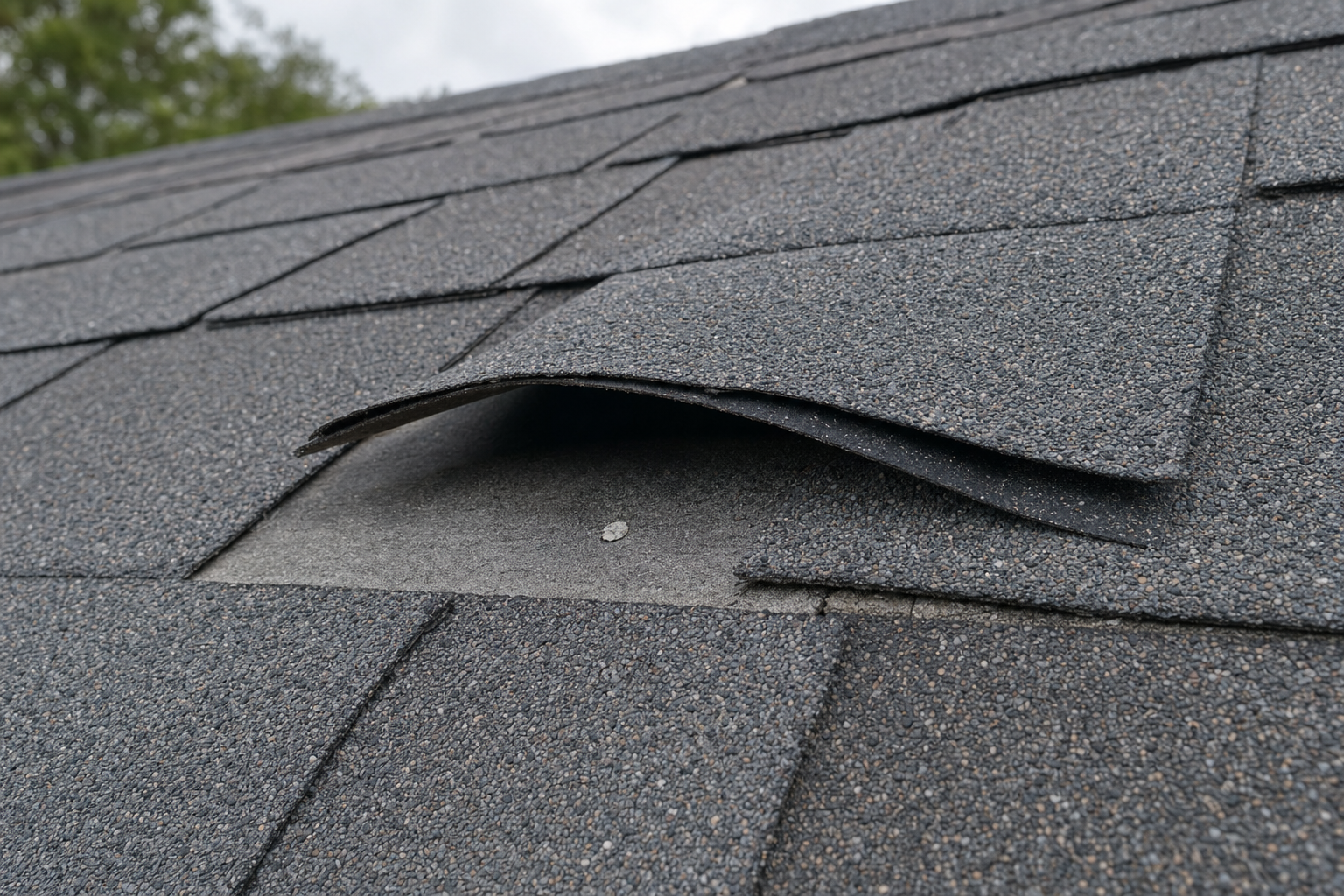
Roof Age Matters in Florida
Florida has specific rules around roof age and insurance renewals. Under Florida Statute 627.7011, an insurer may not refuse to issue or renew a homeowners policy solely because a roof is less than 15 years old; for roofs at least 15 years old, the homeowner must be allowed to obtain an inspection before replacement is required as a condition of issuance or renewal. [2]
The same statute says an insurer may not refuse issuance or renewal solely because of roof age if an authorized inspection shows the roof has 5 or more years of useful life remaining. [2]
For homeowners, this makes roof age insurance Florida documentation important even outside storm season. Florida roof age rules allow an inspection pathway for certain roofs that are at least 15 years old. A licensed roofing contractor can evaluate visible roof condition, note active defects, photograph problem areas, and provide a repair or replacement estimate. That is different from making a coverage decision.
Replacement Cost, Actual Cash Value, and Code Coverage
Florida roof replacement insurance questions often come down to how the policy values the loss. Replacement cost coverage generally means covered repair or replacement is evaluated based on the cost to repair or replace damaged property, subject to policy terms and limits, rather than reducing the amount only because of age or depreciation. Actual cash value, often called ACV, generally means the value of the damaged property after depreciation is considered. Florida homeowners policies must offer replacement cost coverage options and law and ordinance coverage options, subject to policy terms and limits. [2]
Law and ordinance coverage refers to coverage for certain added costs needed to meet applicable building laws or ordinances during covered repair work, subject to policy provisions and selected limits. That can matter in South Florida because roofing work may involve current code requirements, product approvals, underlayment details, fastening methods, and permit scope. Hurricane deductible rules and roof deductibles can also affect timing and out-of-pocket cost, so homeowners should review the policy and speak with their insurance agent or insurer before assuming how hurricane roof damage insurance will apply.
A roofing contractor documents visible roof conditions; the insurer determines coverage under the policy. For consumer insurance questions, the Florida Office of Insurance Regulation provides consumer resources by insurance type, including homeowners and flood insurance topics. [3]
What a Roof Inspection Should Document
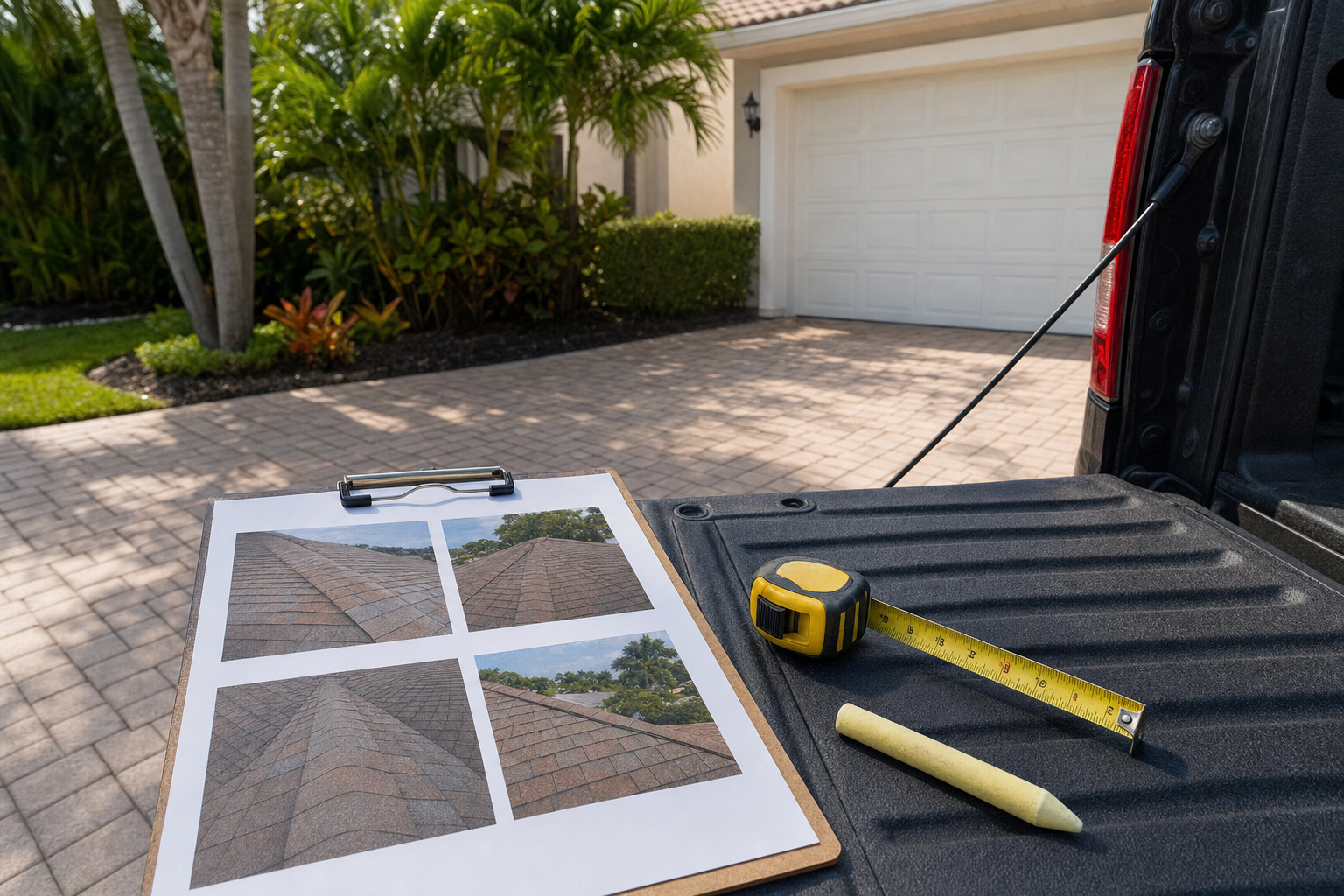
A good South Florida roof inspection should be practical and photo-based. It should identify the roofing material, approximate age if known, visible storm impact, active leaks, flashing issues, roof penetrations, valleys, ridge details, gutters where relevant, and signs of prior repairs.
For insurance-related roof questions, useful documentation often includes:
- Wide photos of each roof slope
- Close photos of damaged shingles, tile, metal panels, flashing, or flat-roof membrane
- Interior ceiling stains or moisture paths
- Date-stamped photos after a known storm
- Maintenance records, prior repair invoices, or previous inspection reports
- A written roofing estimate with scope, materials, and code-related considerations
Roof insurance documentation Florida homeowners organize after a storm should stay factual: what was observed, when it was observed, where the damage appears, and what roofing work may be needed. If you need a Miami-Dade roof inspection or want to compare roof repair options before deciding on residential roof replacement, start with photos and a written scope rather than guesses about coverage.
For next steps, you can schedule a South Florida roof inspection, review storm damage roofing in Miami, learn about wind damage roof repair, compare residential roof replacement, or look at roof repair options.
Quick Answers for Florida Homeowners
Does insurance cover a 20-year-old roof in Florida?
It may, but age matters. If the roof failed because of wear, deterioration, or lack of maintenance, replacement may not be covered. If a covered storm event caused direct damage, the policy terms, deductible, exclusions, and roof condition all matter.
Does insurance cover hurricane roof damage?
Wind damage from hurricanes may be covered under many homeowners policies, but hurricane deductibles, wind exclusions, flood exclusions, and policy limits can change the outcome. If you are asking “does insurance cover roof replacement Florida homeowners need after hurricane wind damage?” the answer still depends on the cause of damage, policy language, roof condition, deductible, and documentation.
Can a contractor tell me if insurance will pay?
No. A roofing contractor can inspect the roof, document visible damage, explain repair or replacement options, and provide an estimate. Coverage decisions belong to the insurer and the homeowner’s policy process.
What should I do if I see roof damage?
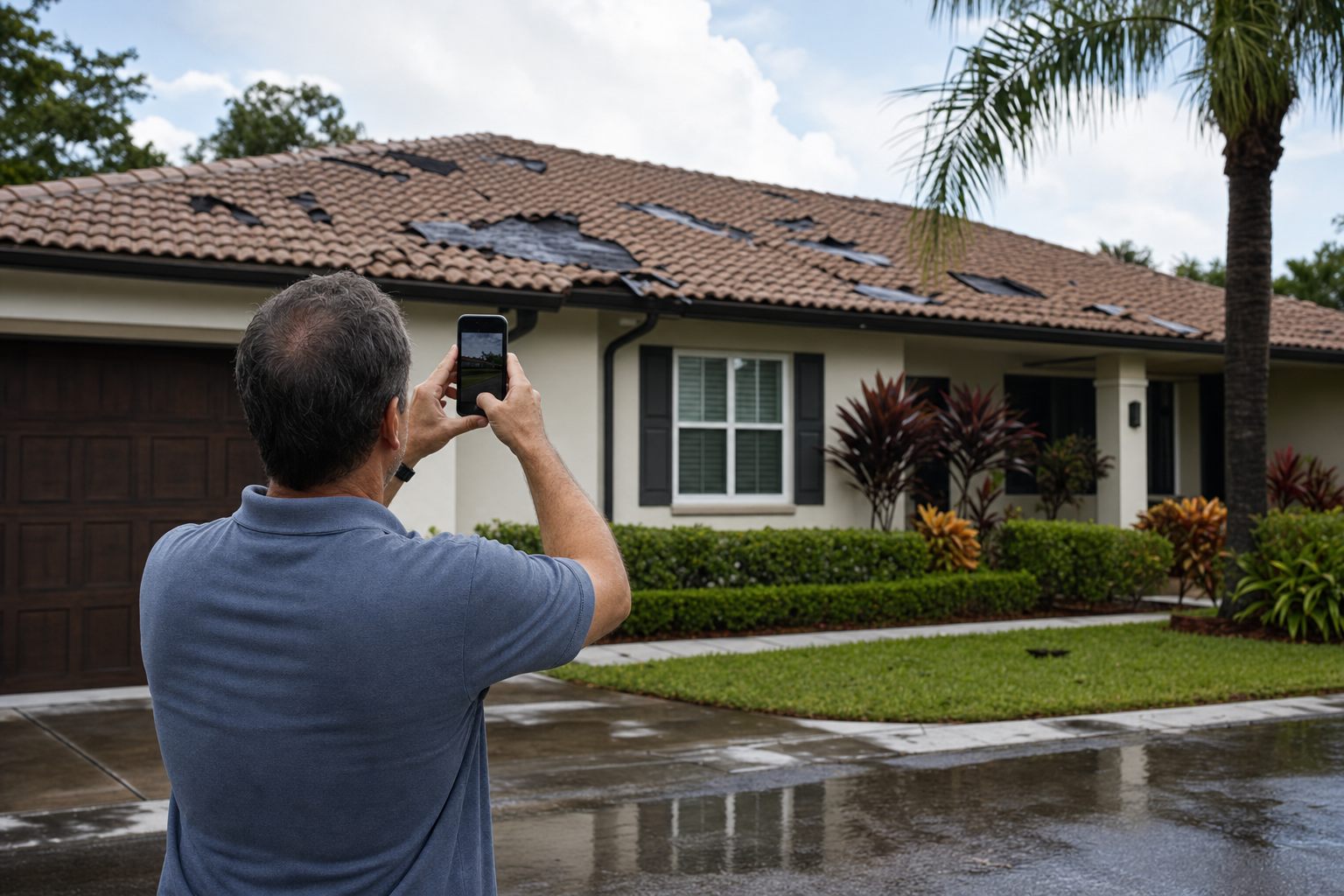
Document the damage, avoid unsafe roof access, protect the home from further water intrusion when practical, and schedule a licensed roof inspection. Keep control of your own insurance decisions and timing.
Florida Roof Insurance FAQs
Does insurance cover roof replacement in Florida?
It may cover roof replacement when a covered event causes direct damage and the policy terms support replacement, but age, exclusions, deductibles, and documentation affect the outcome.
Does homeowners insurance cover an old roof in Florida?
An old roof is not automatically covered or excluded. Damage cause, roof condition, inspection findings, useful-life documentation, and policy terms matter.
Is hurricane roof damage covered in Florida?
Hurricane wind damage may be covered under many policies, but hurricane deductibles, wind exclusions, flood exclusions, and limits must be reviewed.
Can a roofer tell me whether insurance will pay?
No. A roofer can inspect, document, and estimate roof work, but coverage decisions belong to the insurer and policy process.
What documentation helps after storm roof damage?
Date-stamped photos, inspection notes, interior leak photos, maintenance records, prior repairs, and a written roofing estimate can help organize the roof evidence.
Closing CTA
Duke Contractors provides free roof inspections and roofing estimates for homeowners in Miami-Dade, Broward, Palm Beach, Monroe County, the Florida Keys, and across South Florida. Duke Contractors LLC is based in Doral, Florida, and works with residential and commercial roofing systems, including GAF, Elevate, Polyglass, and Versico products where appropriate for the roof scope. If your roof has storm damage, active leaks, missing materials, or age-related concerns, document what you can safely see and schedule a free consultation with a licensed Florida roofing contractor.
References
- NOAA National Hurricane Center Tropical Cyclone Climatology, https://www.nhc.noaa.gov/climo/ ↩
- Florida Statutes 627.7011, https://www.leg.state.fl.us/statutes/index.cfm?App_mode=Display_Statute&URL=0600-0699/0627/Sections/0627.7011.html ↩
- Florida Office of Insurance Regulation Consumer Resources, https://www.floir.com/consumers ↩
