Choosing the best roofing material Florida homeowners can rely on starts with climate, code, and roof structure. In Miami-Dade, Broward, Palm Beach, Monroe County, and the rest of South Florida, your roof has to handle heat, heavy rain, salt air, and hurricane-season wind exposure. The Atlantic hurricane season runs from June 1 through November 30. [1] Tile, metal, and asphalt shingles can all work on Florida homes, but each one has different strengths, costs, and long-term responsibilities.
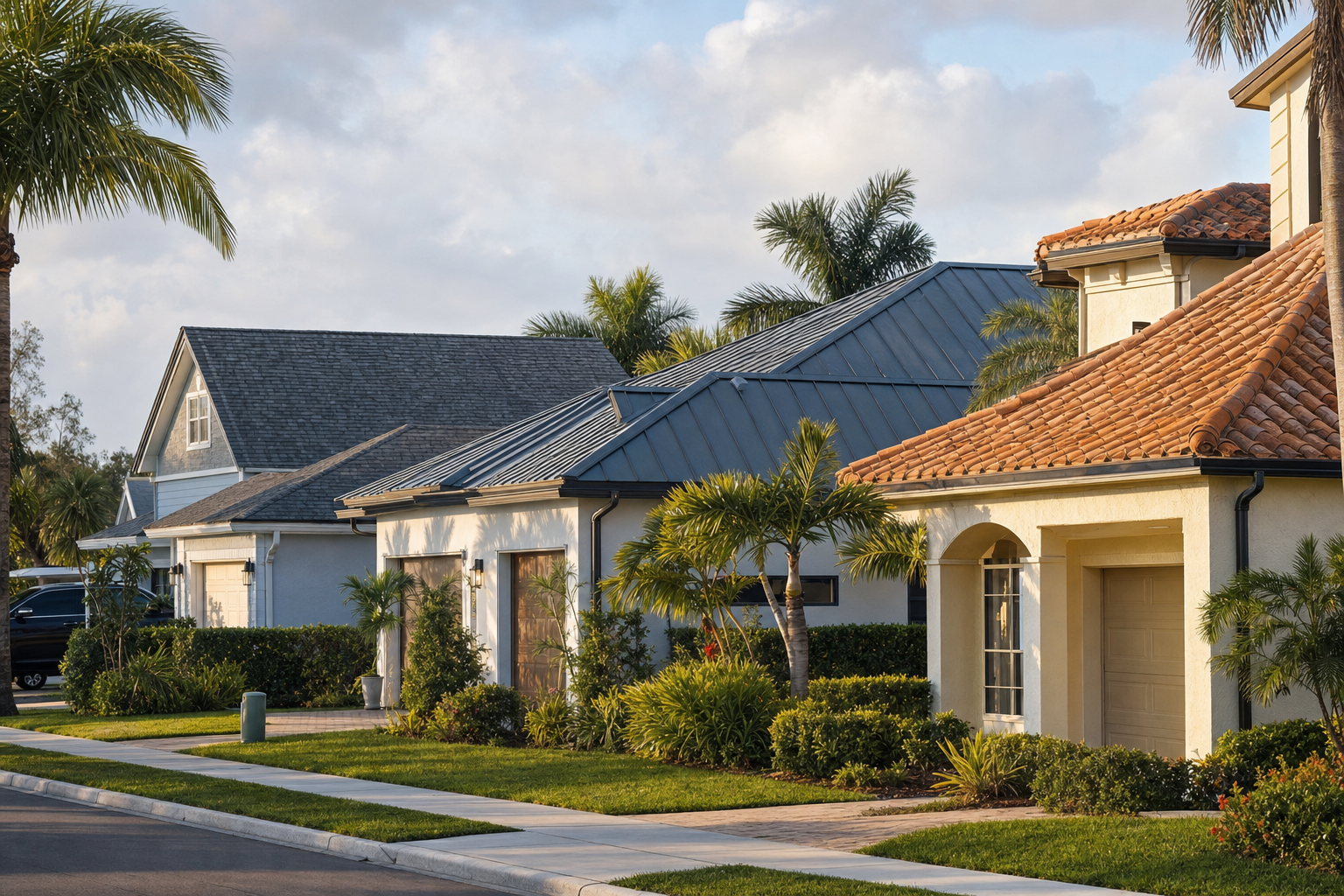
The Short Answer: There Is No One Best Roof for Every Florida Home
The best roofing material for a Florida home depends on the structure, budget, neighborhood style, roof slope, and exposure. The best roofing material Florida homes need is usually the material that fits the roof system, not just the most durable product.
For many South Florida homeowners:
- Tile is often chosen for durability, appearance, and classic Miami curb appeal.
- Metal is a strong option for wind resistance, water shedding, and modern roof designs.
- Architectural asphalt shingles can be practical when budget, repairability, and installation speed matter.
The material is only one part of the system. Roof material performance depends on the complete assembly, including underlayment, flashing, fasteners, ventilation, and installation details. Underlayment is the water-resistant layer installed beneath the visible roof covering. Flashing is the metal or waterproofing detail that directs water away from roof transitions, edges, valleys, and penetrations.
If you are comparing materials because your current roof is older, leaking, or showing storm wear, start with an inspection before choosing a product. Duke Contractors LLC can help homeowners compare residential roofing services in Miami and decide whether repair or replacement is the practical next step.
Florida Roofing Material Comparison: Tile vs. Metal vs. Shingle
When comparing the best roofing material Florida options, look beyond surface material. A Florida roofing material comparison should account for the full roof assembly, local wind exposure, salt-air conditions, maintenance expectations, and the home’s structure.
| Material | Best fit | Main concerns | Maintenance | Coastal exposure | Budget language | | — | — | — | — | — | — | | Tile roofing | Homeowners who want a premium South Florida look, strong curb appeal, and a long-term roof covering | Heavy system, broken tiles, underlayment age, specialized repairs | Periodic inspections for cracked, slipped, or broken tiles and underlayment condition | Performs well visually in coastal neighborhoods, but details below the tile still matter | Usually a higher upfront investment | | Standing seam metal roofing | Homeowners who want strong water shedding, a lighter system than tile, and a modern profile | Coating selection, fastener compatibility, panel type, salt-air corrosion risk | Inspections for seams, penetrations, finish condition, and edge details | Product selection matters more near saltwater | Often premium, varies by panel and coating | | Architectural asphalt shingles | Homeowners who want a practical, familiar, repairable roof system | Heat aging, wind-driven rain, flashing quality, installation details | Easier spot repairs than tile in many cases, but ventilation and flashing must be watched | Can work in South Florida when the system is selected and installed correctly | Often the most budget-conscious option |
Miami-Dade and Broward County are part of Florida’s High Velocity Hurricane Zone. HVHZ means High Velocity Hurricane Zone, a Florida Building Code designation that applies to Miami-Dade and Broward counties. Product approval means the roofing product or assembly has documentation showing where and how it can be used under applicable Florida code requirements. Florida roofing products can be searched through the Florida Building Code Online Product Approval system. [2]
That is why Miami-Dade roofing product approval and local installation details matter when comparing HVHZ roofing materials. A roof covering may look similar from the street, but the approved assembly, underlayment, deck attachment, flashing, edge metal, ventilation, and fasteners affect how the system performs.
Tile Roofing: Durable, Heavy, and Very Florida
Tile roofing is one of the most recognizable roof styles in South Florida. Concrete and clay tile roofs fit Mediterranean, Spanish, and coastal home designs, and they can hold up well when installed correctly.
Tile may be the best roofing material Florida homeowners choose for long-term curb appeal when the structure can support the weight. Tile makes sense when you want a long-term roofing system with strong visual appeal. It also performs well against sun exposure because the tile surface takes the daily UV beating instead of the underlayment underneath.
The tradeoff is weight and maintenance. Tile roofs are heavier than shingles and many metal systems, so the home must be structurally suitable. Individual tiles can crack from impact or foot traffic, and the underlayment below the tile still ages over time. A tile roof that looks fine from the street may still need a professional inspection if it is older, leaking, or showing slipped tiles.
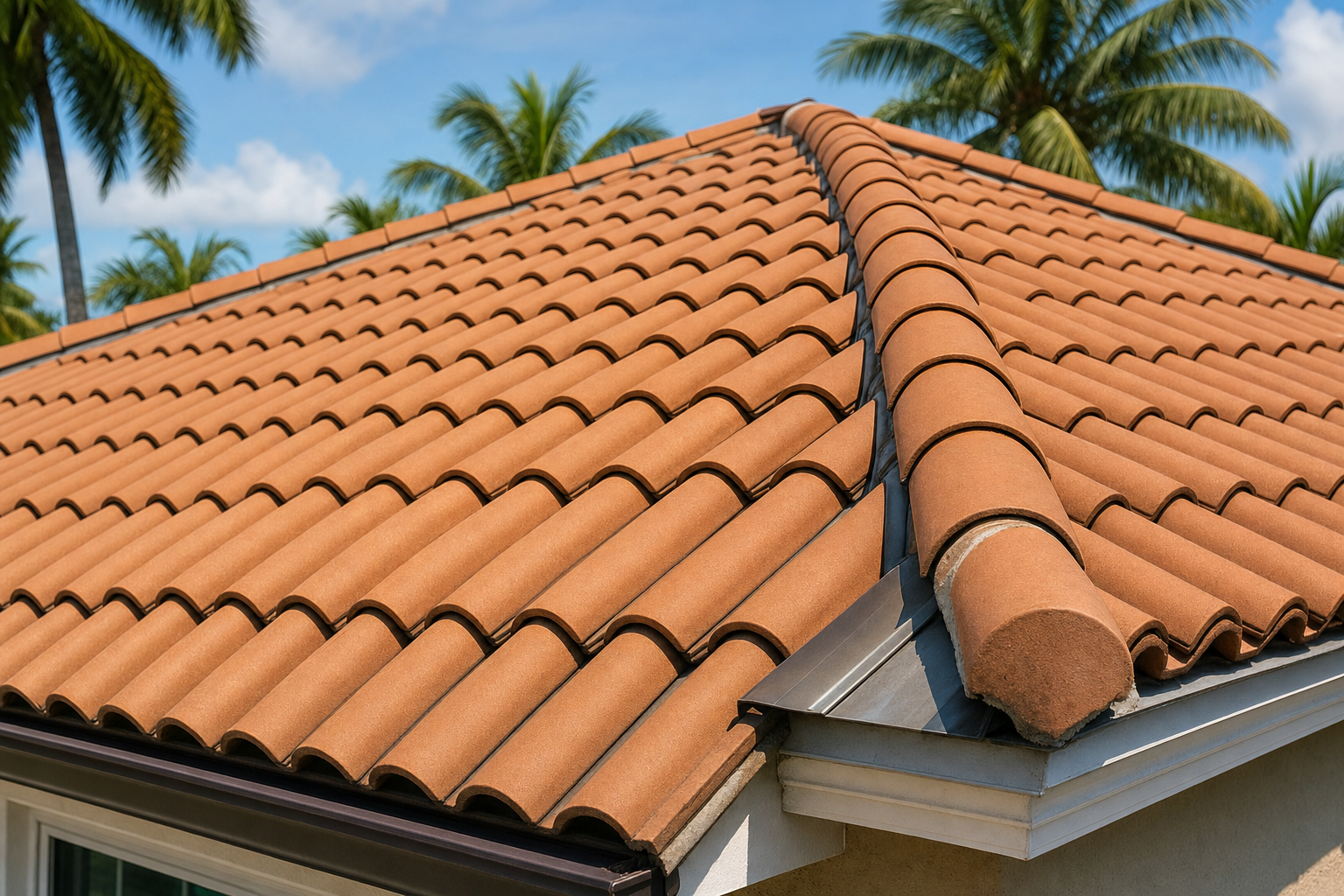
Tile roofing South Florida homeowners choose should be evaluated as a complete system, not just as individual tiles. If the roof has cracked tiles, loose ridge pieces, staining, or recurring leaks, Duke Contractors can review whether targeted roof repair options are enough or whether the home is moving toward replacement.
Metal Roofing: Strong Water Shedding with Salt-Air Considerations
Metal roofing can be a strong choice for Florida homes, especially on steeper rooflines where water runoff is a priority. Standing seam metal roofs are popular because concealed fasteners reduce exposed screw points and create a clean, modern look.
Metal may be the best roofing material Florida coastal homeowners consider when coatings, fasteners, and approvals match salt-air exposure. Metal roofs can also be attractive for homeowners who want a lighter roof system than tile. In coastal areas, though, metal selection matters. Salt air can accelerate corrosion if the wrong coating, fastener, or panel type is used. That is why South Florida homeowners should ask about product approvals, finish warranties, fastener compatibility, and whether the selected system is appropriate for their distance from the coast.
Metal roofing Miami homeowners consider should be reviewed for the specific home, not treated as one universal product. A standing seam metal roof in Doral, a coastal home near the Florida Keys, and a property closer to Fort Lauderdale or West Palm Beach may have different exposure, code, and maintenance considerations.
Florida maintains a product approval system where roofing products can be searched by FL number, manufacturer, and code version. [2]
Asphalt Shingles: Practical, Familiar, and Budget-Conscious
Architectural asphalt shingles remain common because they are cost-effective, widely available, and easier to repair than many tile systems. For many South Florida homeowners, a high-quality shingle roof can be the right choice when the roof deck is in good shape and the system is installed with proper underlayment, starter strips, ridge caps, ventilation, and flashing.
Shingles can still be the best roofing material Florida homeowners choose when budget, repairability, and system installation matter most. A shingle roof South Florida homeowners can feel confident about should be judged by the complete system, not the bundle price alone.
Shingles do face Florida-specific stress. Heat can age asphalt, UV exposure can dry out materials, and wind-driven rain can reveal weak flashing or poor installation details. The Saffir-Simpson Hurricane Wind Scale begins at 74 mph sustained winds, and the scale is based on wind speed only, not rainfall flooding, storm surge, or tornado risk. [3]
If you choose shingles, focus less on the cheapest bundle price and more on the complete roof system and installer quality. For homes with widespread wear, repeated leaks, or storm-related damage, ask whether roof replacement services make more sense than another short-term repair.
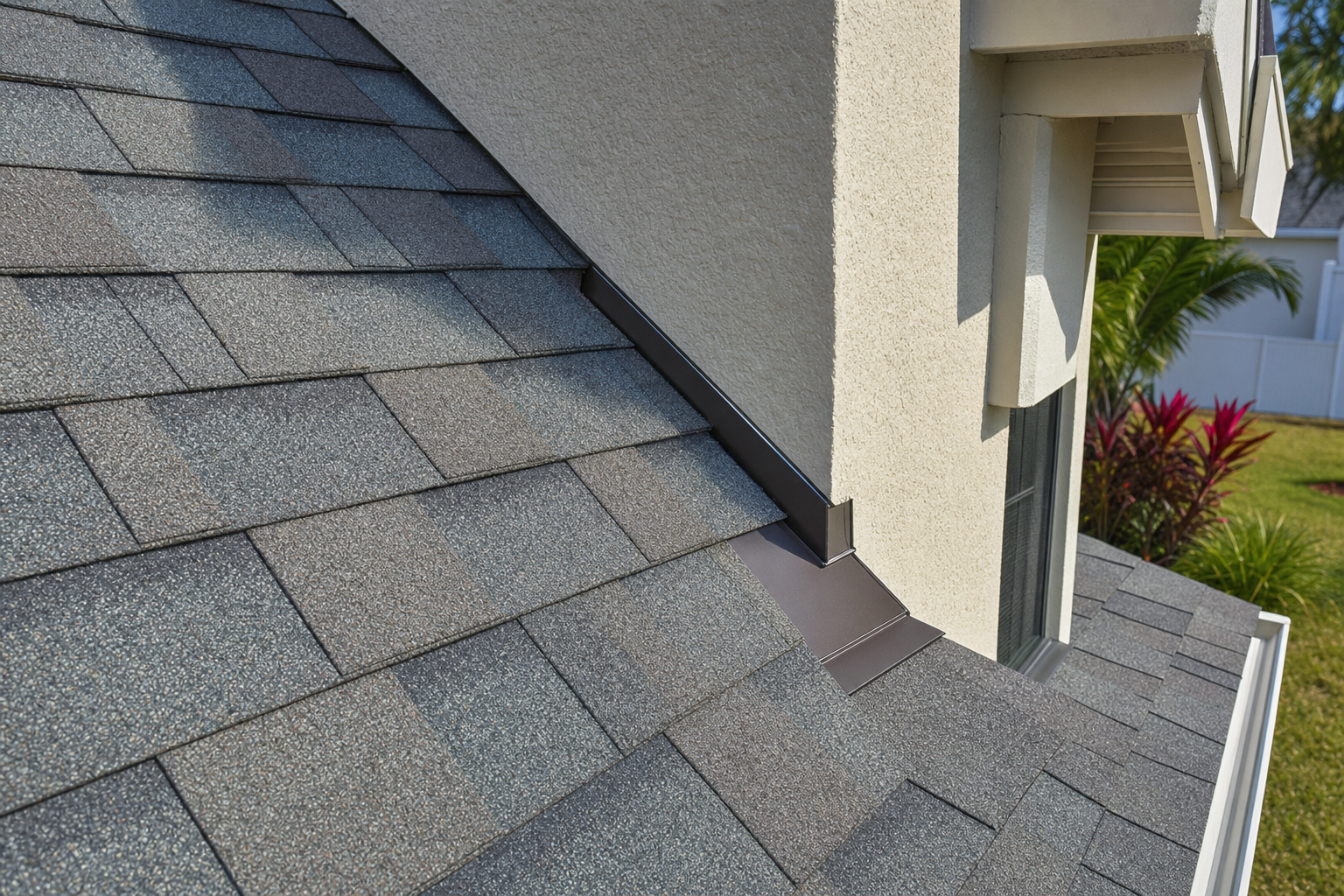
How to Compare Tile vs. Metal vs. Shingle
A simple comparison can help narrow the decision:
Tile roofing may be best if you want a premium South Florida look, your home can support the weight, and you are prepared for specialized maintenance.
Metal roofing may be best if you want strong water shedding, a lighter system than tile, and a clean modern profile, especially when the product is selected for coastal conditions.
Shingle roofing may be best if you want a practical roof replacement with broad product availability, flexible repair options, and a more budget-conscious installation.
For Miami-Dade and Broward homes, ask whether the proposed roof system is appropriate for local wind-zone requirements and whether the contractor can show the product approval documentation for the material being installed. Homeowners in Miami, Doral, Homestead, Fort Lauderdale, Palm Beach County, Monroe County, and nearby South Florida communities should also consider roof slope, drainage, salt-air exposure, appearance, repairability, and long-term maintenance.
How Duke Contractors Helps South Florida Homeowners Choose a Roof
Duke Contractors helps homeowners compare tile, metal, and shingle roofing by looking at the existing roof condition, the structure, the visible wear, and the practical replacement path. The goal is not to push one material for every home. The goal is to match the roof system to the property.
During a consultation, Duke Contractors can review visible roof condition, material options, code and product-approval considerations, and whether the home may need repair, replacement, or storm-related documentation. If recent weather is part of the concern, start with storm damage roofing in Miami so the roof can be documented before decisions are rushed.
Homeowners who are ready to compare options can request a roofing estimate for tile, metal, or shingle roofing based on the home’s condition and location.
FAQ: Florida Roofing Material Questions
What is the best roofing material for Florida homes?
The best roofing material for Florida homes depends on roof structure, budget, coastal exposure, code requirements, and maintenance expectations. Tile, metal, and architectural shingles can all work when installed as complete roof systems.
What is the best roofing material for Florida heat?
For heat, the best roofing material Florida homeowners choose is often tile or reflective metal, but ventilation and installation still matter. Tile creates a durable outer surface, while metal can reflect heat depending on the finish and color. Shingles can also work, but product quality, ventilation, and installation details become especially important.
Is tile or metal better for South Florida?
Tile is often chosen for curb appeal and long-term appearance, while metal is lighter and sheds water efficiently. The better choice depends on the home’s structure, roof slope, salt-air exposure, and approved product system.
Are asphalt shingles good for Florida homes?
Asphalt shingles can be a practical choice for Florida homes when the roof is installed with proper underlayment, flashing, starter strips, ridge caps, and ventilation. They are usually more budget-conscious and easier to repair than tile.
Why do Miami-Dade and Broward roofing materials need extra review?
Miami-Dade and Broward are in Florida’s High Velocity Hurricane Zone, so roof systems should be selected and installed with local wind requirements and product approvals in mind.
What should homeowners compare before choosing a Florida roof material?
Homeowners should compare roof weight, wind exposure, salt-air risk, maintenance needs, repairability, appearance, budget, and whether the full roof assembly is code-approved for the property.
Closing CTA
If you are comparing tile, metal, and shingle roofing for a South Florida home, Duke Contractors can inspect your existing roof, explain practical material options, and provide a clear roofing estimate. Schedule a free consultation for residential roofing in Miami-Dade, Broward, Palm Beach, Monroe County, or nearby South Florida communities.
References
