South Florida roofs work harder than roofs in most parts of the country. Miami-Dade, Broward, Palm Beach, and Monroe County homes face strong sun, salt air, wind-driven rain, tropical storms, and long humid seasons. These are the most common signs you need a new roof in South Florida homes. The problem is that roof failure rarely starts with one dramatic leak. It usually shows up as small warning signs: stains, loose materials, soft decking, ponding water, or repeated repairs that stop making sense. If you are wondering about the signs you need a new roof, the key is knowing which symptoms point to normal maintenance and which ones suggest the roof system is nearing the end of its service life.
The most common signs you need a new roof are recurring leaks, widespread material damage, ponding water, roof age, frequent repairs, storm damage, and attic moisture. Roof replacement decisions should be based on age, leak history, material condition, roof deck condition, and repair frequency.
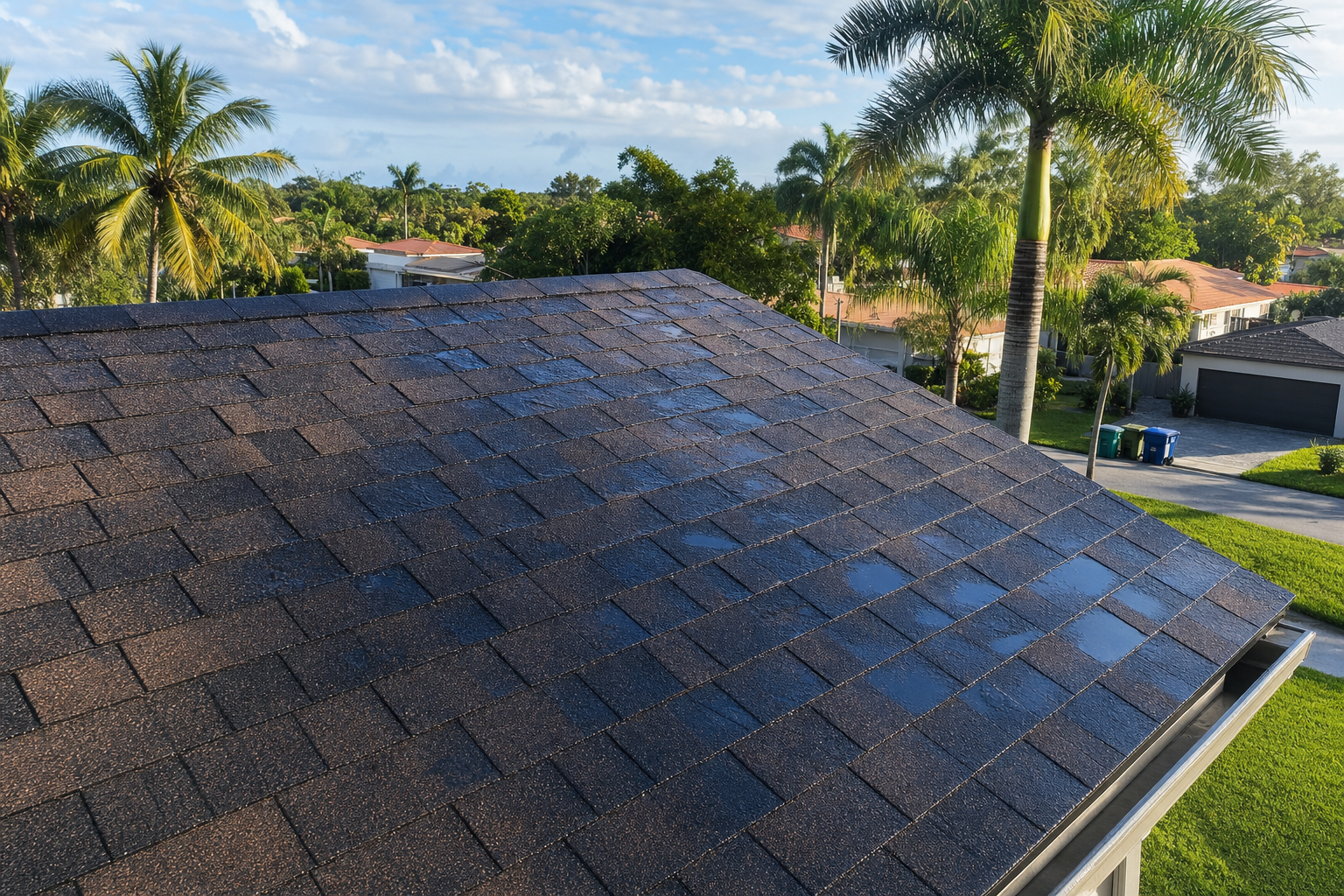
1. Your Roof Is Near the End of Its Expected Life
Age matters, especially in South Florida. Asphalt shingles, concrete tile, clay tile, metal panels, and flat commercial systems all age differently, but heat, UV exposure, salt air, and repeated storms can shorten real-world performance.
If your roof is 20 years old or older, do not wait for a major leak to learn its condition. Florida also has roof-age inspection rules for older insured homes, including inspection eligibility pathways for roofs at certain ages rather than automatic replacement assumptions. [1]
A roof inspection can help determine whether your roof still has useful service life or whether replacement is the more practical investment. Age alone should not be the only trigger. The stronger question is whether the roof is still performing as a complete system.
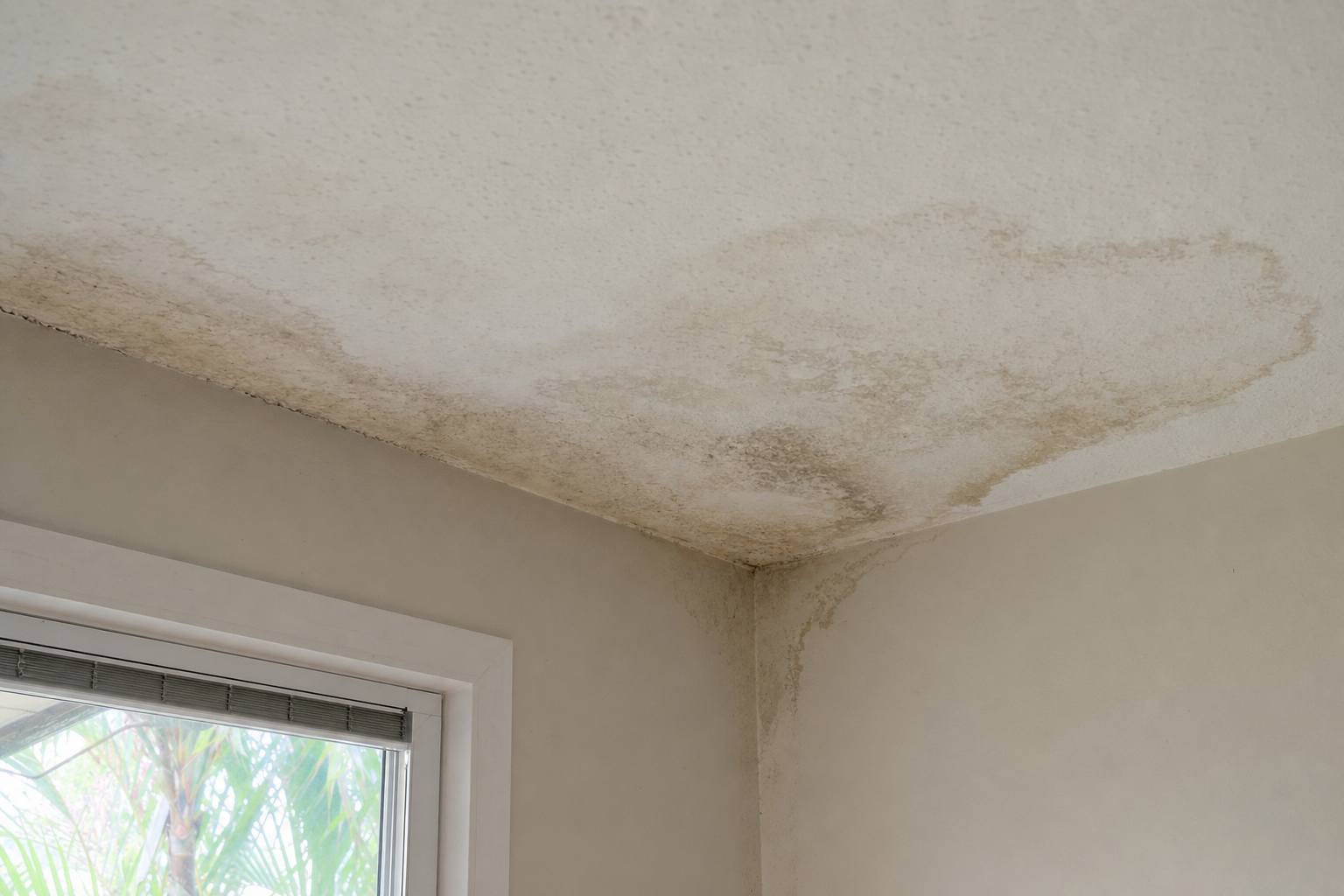
2. You See Leaks, Ceiling Stains, or Musty Odors
A ceiling stain is not always directly below the roof opening. Water can enter at flashing, valleys, vents, skylights, wall transitions, or damaged roof coverings, then travel before it appears indoors. Flashing is metal or waterproof material used around roof transitions, vents, walls, and penetrations to direct water away.
Watch for:
- Brown or yellow ceiling stains
- Bubbling paint or drywall
- Damp insulation in the attic
- Musty smells after rain
- Drips around vents, chimneys, or skylights
One leak does not automatically mean you need a full roof replacement. But repeated leaks in different areas often signal that the roof system is failing in more than one place.
3. Shingle, Tile, or Metal Damage Is One of the Signs You Need a New Roof
A few damaged pieces may be repairable. Widespread damage is different. On asphalt shingle roofs, look for curling edges, missing shingles, lifted tabs, cracked shingles, bald spots, and heavy granule loss. Granules help protect asphalt shingles from sunlight, so large bare areas are a serious aging sign.
On tile roofs, watch for cracked, slipped, loose, or missing tiles. A broken tile can expose underlayment, and the underlayment is what actually helps shed water beneath the tile surface. Underlayment is the water-shedding layer installed beneath shingles, tile, or metal panels.
On metal roofs, look for corrosion, loose fasteners, open seams, failing sealant, and rust around penetrations. Salt air can make exposed metal components deteriorate faster near coastal areas.
If damage appears across several roof planes, it may be time to compare residential roofing services in Miami and South Florida with targeted repair work.
4. Your Roof Struggles During Heavy Rain or Wind
The Atlantic hurricane season runs from June 1 through November 30. [2] A hurricane has sustained winds of 74 mph or higher. [2] Even tropical storms and strong afternoon systems can expose weak points in an older roof.
Warning signs after heavy weather include:
- New missing shingles or tiles
- Lifted flashing
- Debris impact marks
- New stains in the attic
- Loose ridge caps
- Water entering around roof penetrations
Do not climb onto the roof yourself. Take ground-level photos where safe, note the date of the storm, and schedule a licensed roof inspection for a clear condition report. If the damage followed heavy wind or rain, ask about a storm damage roof inspection in Miami so the roof surfaces, flashing, penetrations, decking, and drainage are reviewed together.

5. Your Flat or Low-Slope Roof Has Ponding Water
Commercial flat roofs, multifamily buildings, and low-slope residential sections need special attention. Ponding water is standing water that remains on a low-slope roof after rainfall instead of draining properly. Over time, that can stress seams, flashing, insulation, and roof membranes.
For TPO, modified bitumen, and other low-slope systems, watch for blistering, open seams, soft spots, clogged drains, cracked flashing, and repeated patching. UV exposure can also age roof membranes and sealants. If a flat roof needs the same repair again and again, replacement may be the more reliable solution.
For larger buildings, drainage problems and flat roof ponding water should be reviewed as part of commercial flat roofing services, not treated as a small cosmetic issue.
6. Repairs Are Becoming Frequent or Expensive
A roof replacement can feel like a big step, but constant repairs add up. Frequent repair calls are one of the clearest signs you need a new roof, especially when problems appear across multiple roof planes. If you are calling for service after every storm, finding new leaks in new places, or replacing materials across several roof planes, the roof may no longer be performing as a system.
A practical inspection should answer three questions:
- Is the problem isolated or widespread?
- Is the roof deck still sound?
- Would repair work extend the roof’s life in a meaningful way?
The roof deck is the structural surface beneath the roofing system. If the deck is soft, stained, or deteriorated, the repair vs roof replacement conversation changes because the problem may be deeper than the visible roof covering.
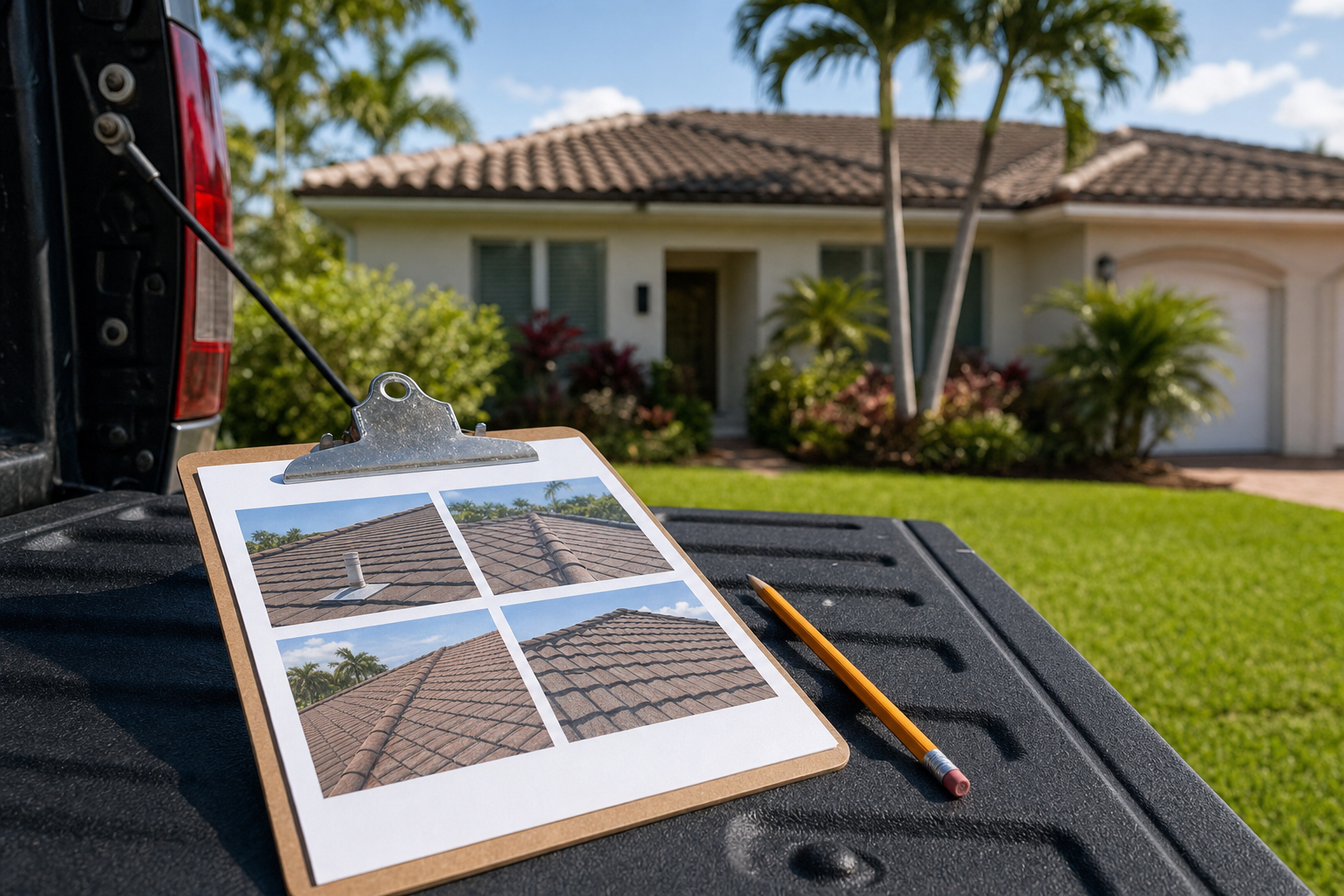
A good roofing contractor should explain what they see, show photos, and give you repair or replacement options without pressure. If the inspection shows isolated damage, roof repair options may still make sense.
7. Your Attic Shows Heat, Moisture, or Decking Problems
The roof covering is only one part of the system. Ventilation, decking, underlayment, flashing, and fasteners matter too. In the attic, signs of trouble may include dark roof decking, rusted nails, wet insulation, daylight through gaps, or excessive heat buildup.
Poor ventilation can make the living space less comfortable and can speed up wear on roofing materials. Moisture trapped in the attic can also lead to wood deterioration. Attic moisture plus exterior damage can be one of the hidden signs you need a new roof.
If attic symptoms appear alongside exterior roof damage, replacement may be the right conversation. Roof performance is system-wide, especially in storm-prone regions where coverings, attachments, flashing, drainage, and deck condition all affect resilience. [3]
When to Schedule a South Florida Roof Inspection
Schedule a South Florida roof inspection when you see active leaks, widespread cracked tile, missing shingles, repeated ponding water, storm damage, or attic moisture. Inspection timing matters in South Florida because contractor schedules tighten before and after major storms.
Miami-Dade and Broward counties are part of Florida’s High Velocity Hurricane Zone, so roof replacement and major roof work must account for local code requirements, product approvals, installation method, and inspection documentation. [4]
If you are comparing Miami roof replacement with another round of repairs, ask for photos, a clear written scope, and a practical explanation of whether the roof still has useful life. Duke Contractors LLC is based in Doral and serves Miami-Dade County, Broward County, Palm Beach County, Monroe County, and surrounding South Florida communities.
FAQ: Signs You Need a New Roof in South Florida
What are the most common signs you need a new roof? The most common signs you need a new roof are repeated leaks, widespread shingle or tile damage, ponding water, attic moisture, storm damage, and repair costs that no longer make sense.
Does one roof leak mean I need a new roof? Not always. One isolated leak may be repairable, but repeated leaks in different areas can mean the roof system is failing.
How do I know if I need a roof repair or a new roof? If damage is isolated, a repair may be enough. If leaks, material failure, age-related wear, and roof deck concerns appear across multiple areas, a roof replacement may be more practical.
Is a 20-year-old roof too old in South Florida? Not always, but it should be inspected. Heat, storms, salt air, installation quality, ventilation, underlayment, and material type all affect roof life.
Should South Florida homeowners inspect their roof before hurricane season? Yes. A roof inspection before hurricane season can identify loose materials, weak flashing, drainage problems, and aging areas before storms make scheduling harder.
Is roof age enough to decide on replacement? No. Age matters, but roof material, installation quality, storm exposure, underlayment, ventilation, roof deck condition, and current damage should all be evaluated.
Who should check roof damage after a storm? Homeowners can take safe ground-level photos, but a licensed roofing contractor should inspect roof surfaces, flashing, penetrations, decking, and drainage.
What should I document if I see roof damage? Take safe ground-level photos, save dates of major weather events, and keep inspection reports or repair records. The homeowner stays in control of any insurance-related decisions and timing.
Closing CTA
If you see one or more of these signs you need a new roof on your South Florida home or building, schedule a free inspection with Duke Contractors. Our Doral-based team serves Miami-Dade, Broward, Palm Beach, Monroe County, and surrounding South Florida communities with residential and commercial roofing inspections, repair recommendations, and roof replacement estimates. You can schedule a roof inspection or roofing estimate when you are ready for a clear next step.
References
- Florida Statutes Section 627.7011, http://www.leg.state.fl.us/statutes/index.cfm?App_mode=Display_Statute&URL=0600-0699/0627/Sections/0627.7011.html ↩
- NOAA National Hurricane Center Tropical Cyclone Climatology, https://www.nhc.noaa.gov/climo/ ↩
- Insurance Institute for Business & Home Safety, https://ibhs.org/ ↩
- Miami-Dade County HVHZ roofing code guidance ↩
