A new roof is a major investment, and the warranty language can feel confusing fast. Florida homeowners often hear “25-year,” “limited lifetime,” “system warranty,” or “workmanship warranty” without being told what each one actually covers if something goes wrong. In South Florida, that matters. Miami-Dade, Broward, Palm Beach, and Monroe County roofs deal with UV exposure, salt air, wind-driven rain, and hurricane-season stress. Atlantic hurricane season runs from June 1 through November 30. [1] This roofing warranty Florida guide explains what homeowners should compare before choosing a contractor. A strong warranty is not just a sales detail. It is a practical way to understand who is responsible for materials, installation, documentation, and future service.
What a Manufacturer Roof Warranty Usually Covers
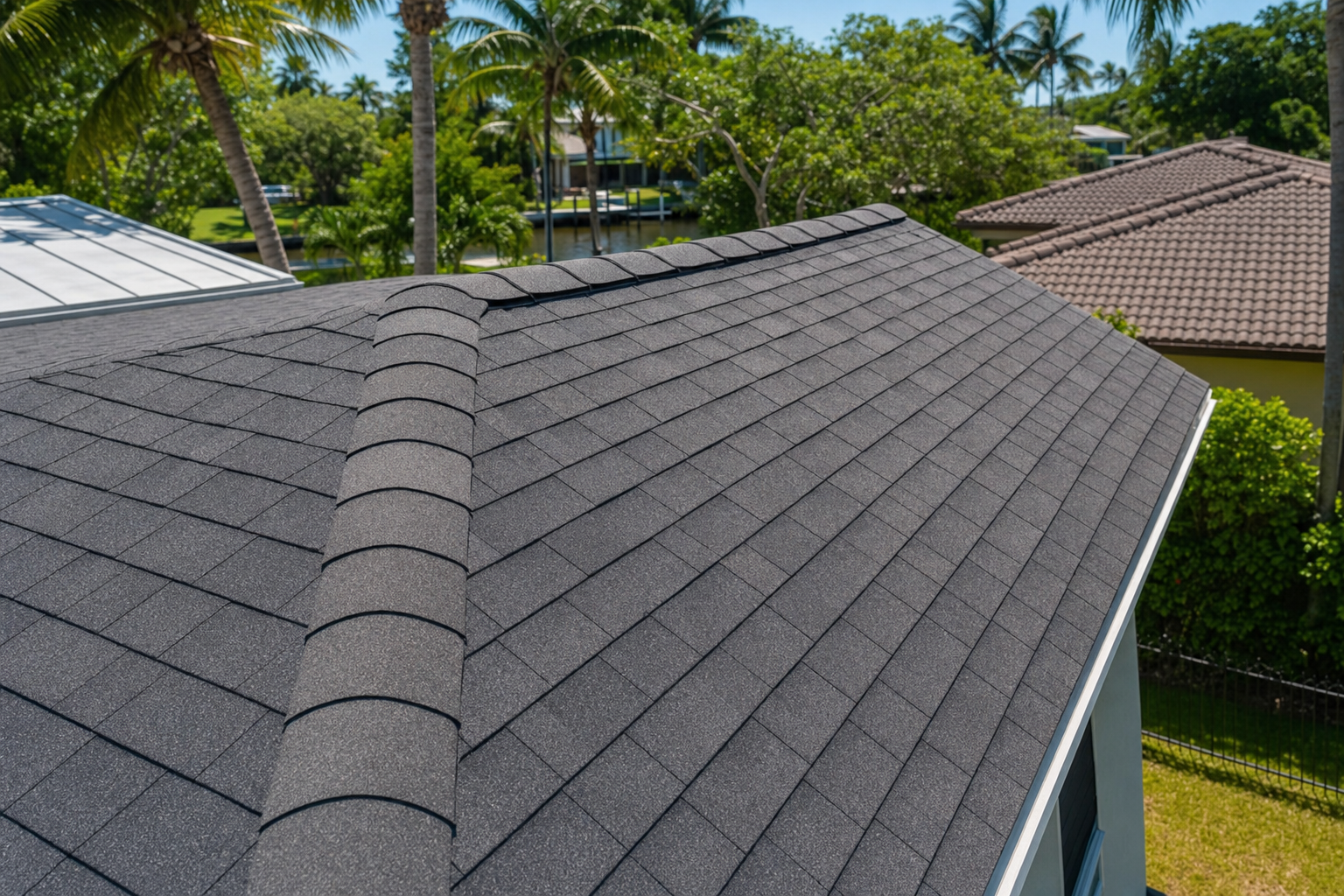
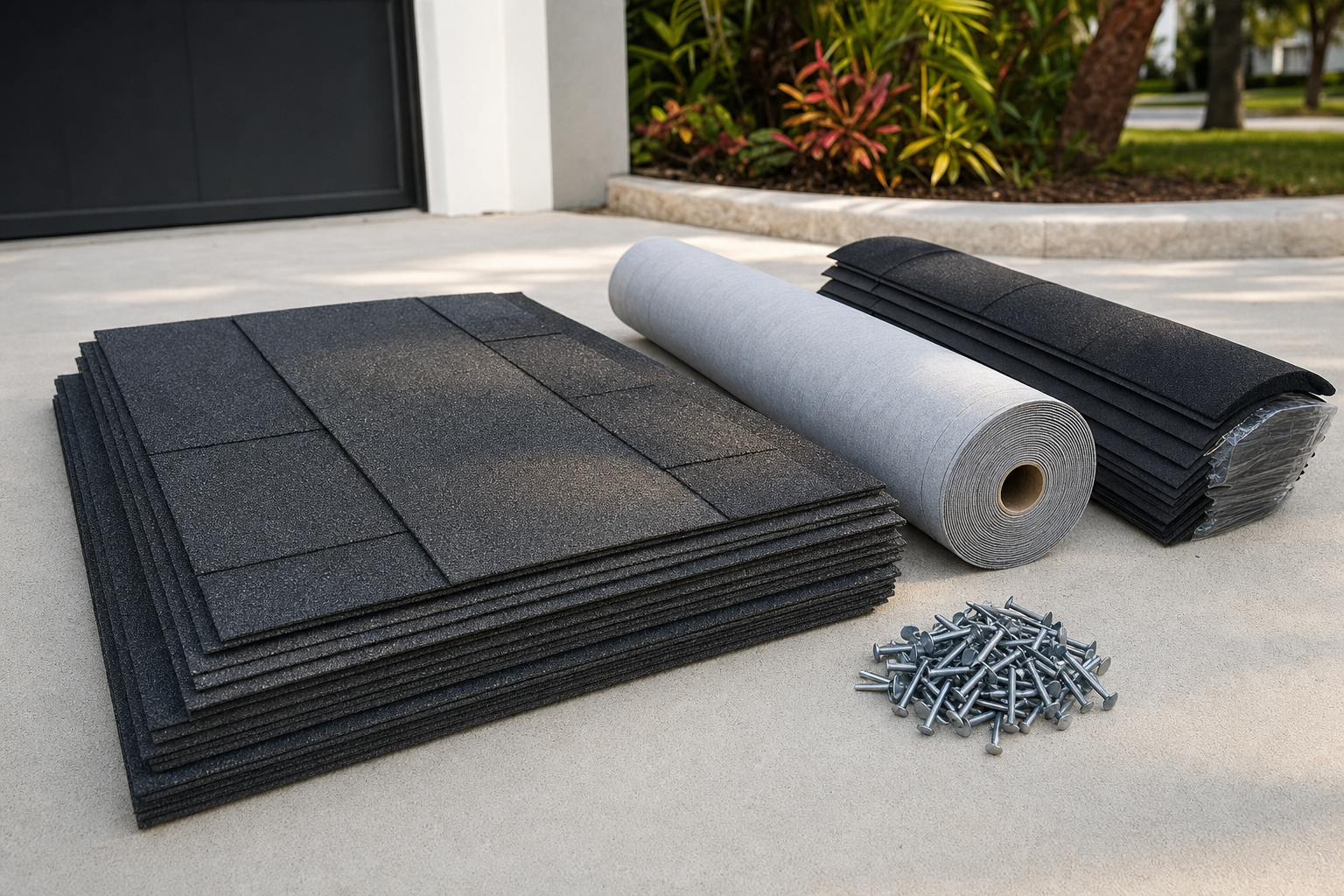
A manufacturer warranty is coverage from the product maker for qualifying product defects. For a shingle roof, that may include shingles, starter strips, ridge caps, underlayment, leak barriers, and ventilation accessories if they are part of an approved roofing system.
A manufacturer roof warranty covers product defects, not the contractor’s installation work. That means the product itself failed because of how it was made, not because of poor installation, storm damage, foot traffic, ponding water, or skipped maintenance. Enhanced manufacturer warranties may add stronger coverage when a certified contractor installs a full system using approved components. A system warranty is coverage tied to a complete approved roof system, not just one product. GAF, for example, publishes separate warranty documents and notes that complete coverage depends on the specific warranty, qualifying products, and restrictions. [2]
Manufacturers such as GAF, Elevate, Polyglass, and Versico may offer different warranty terms depending on the material, system, registration, and installer qualifications. For Miami-Dade County and Broward County properties in the High Velocity Hurricane Zone, product approvals and code-compliant installation details matter because the roof has to be matched to local wind and building requirements.
For Florida homeowners, the key question is not just “How many years?” Ask:
- Which products are covered?
- Is labor included or materials only?
- Is tear-off or disposal included?
- Are wind-speed limits listed?
- Is roof warranty registration required?
- Who submits the registration: the homeowner, Duke Contractors LLC, the installer, or the manufacturer-certified contractor?
- Can the warranty transfer if the home is sold?
- What maintenance or inspection records should be kept?
What a Workmanship Warranty Covers
A workmanship warranty is contractor-backed coverage for qualifying installation errors. It covers the installation labor, not the factory condition of the materials.
A workmanship warranty covers installation errors made by the roofing contractor. This is the warranty that matters when a problem is tied to how the roof was installed. Examples may include improper flashing details, missed fastener patterns, poor pipe boot installation, bad transitions, or installation errors around valleys, vents, skylights, parapets, or low-slope tie-ins.
In South Florida, workmanship is especially important because the roof is a system. A shingle, tile, metal, TPO, or modified bitumen roof has to manage heat, wind uplift, water flow, drainage, and code requirements. A good product installed poorly can still fail early.
A practical workmanship roof warranty should be easy to understand. Homeowners should know the term length, what is excluded, how service requests are handled, and whether the warranty is backed directly by the contractor.
Manufacturer vs. Workmanship: The Simple Difference
Use this roofing warranty Florida checklist to separate product coverage from installation coverage.
Think of it this way:
Manufacturer warranty: “Was the roofing product defective?”
Workmanship warranty: “Was the roofing product installed correctly?”
Both matter. They answer different questions.
If shingles show a confirmed factory defect, the manufacturer warranty may apply. If water enters around a flashing detail because the installation was wrong, that points toward workmanship. If a hurricane damages the roof, that is usually not the same thing as a product defect or installation defect. A Category 1 hurricane begins at sustained winds of 74 mph. [3]
That distinction is why documentation is valuable. Keep your contract, permit records, product list, warranty registration, photos, inspection reports, and maintenance notes in one place. If a future issue comes up, clear records help everyone understand the roof’s age, system components, and service history.
Roof Warranty Documents to Keep After Installation
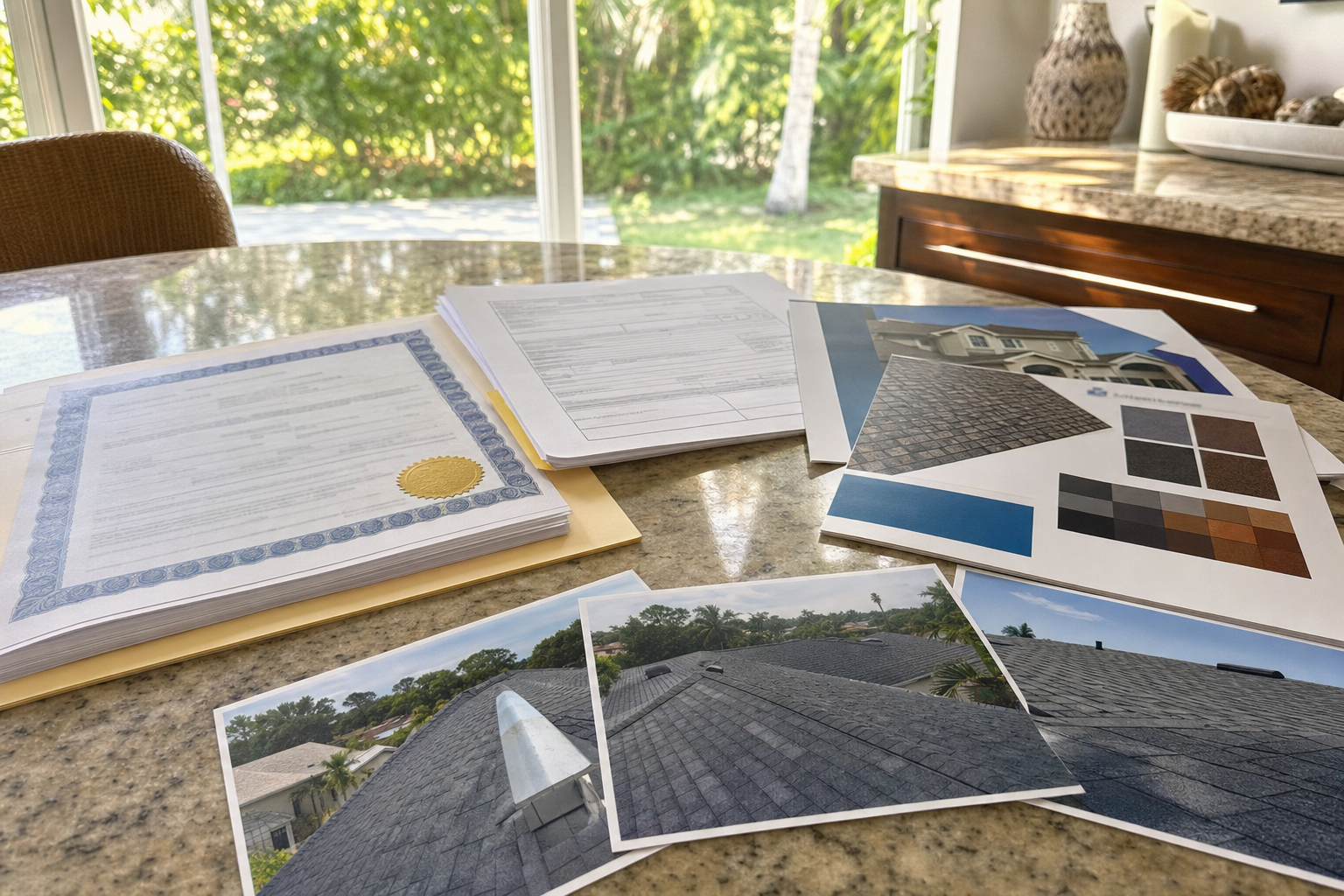
Florida roof warranty records should include the contract, permit, product list, registration confirmation, final photos, and inspection notes. Homeowners should also keep repair invoices, maintenance notes, and any manufacturer correspondence.
For a South Florida roof warranty, these records are especially useful because roofs are exposed to heavy sun, tropical rain, salt air, and seasonal storms. Clear paperwork can also help if you later need roof repair options, roof replacement services, or documentation for a home sale.
Transferability means whether warranty rights can move to a new homeowner after sale. If you may sell the property, ask about roof warranty transfer Florida requirements before final payment. Some warranties require transfer forms, deadlines, fees, or proof that the warranty was registered correctly.
Why Florida Roof Age Makes Warranty Records More Important
Florida homeowners also have to think about roof age. Under Florida Statute 627.7011, for a roof at least 15 years old, an insurer must allow the homeowner to have an authorized roof inspection before requiring replacement as a condition of issuing or renewing a homeowners policy; the statute also references five or more years of remaining useful life. [4]
That does not make a warranty the same thing as an inspection. It also does not mean warranty records determine any insurance outcome. It does mean roof records matter. If your roof is newer, your paperwork helps establish the installation date and system details. If your roof is older, inspection documentation can help describe current condition, visible wear, repairs, and remaining service expectations.
For Miami, Doral, Miami-Dade County, Broward County, Palm Beach County, and Monroe County properties, this is especially useful with roofs exposed to salt air, heavy sun, tropical rain, and seasonal storms.
What Can Void a Roofing Warranty in Florida?
Warranty exclusions vary, but common problems include unauthorized third-party repairs, altered materials, poor ventilation, skipped maintenance, pressure washing, structural changes, storm damage, or damage unrelated to the original installation.
Hurricane roof warranty exclusions deserve special attention in Florida. A warranty is not the same thing as storm insurance, and storm damage is usually treated separately from a product defect or workmanship defect. If high winds, flying debris, or wind-driven rain damage the roof, the written warranty terms decide what is excluded and what documentation is required.
Ventilation can also affect coverage. If attic ventilation does not meet the roof system’s requirements, heat and moisture can shorten material life and may create warranty issues. The same is true when another contractor cuts into the roof, changes flashing, installs equipment, or repairs a leak without following the original system requirements.
Questions to Ask Before You Sign a Roofing Contract
Before choosing a roofing contractor, ask direct warranty questions:
- What manufacturer warranty comes with this roof system?
- Is it registered, and who handles registration?
- What workmanship warranty does the contractor provide?
- What voids the warranty?
- Are repairs, maintenance, or third-party work addressed?
- Are labor, tear-off, and disposal covered or excluded?
- Are wind limits or hurricane exclusions listed?
- Can the warranty transfer if I sell the home?
- What photos or closeout documents will I receive?
- Who do I call if I see a leak, lifted material, or flashing concern?
The answers should be clear. A reliable contractor should be able to explain the difference between material coverage and installation coverage without turning the warranty into a scare tactic. If you are comparing residential roofing services in Miami, use the warranty discussion to judge how clearly the contractor explains scope, documentation, and future service.

FAQ: Florida Roofing Warranties
What should a roofing warranty Florida homeowner compare first?
Compare whether the warranty covers materials only, labor, tear-off, disposal, transferability, registration requirements, wind limits, and contractor workmanship.
Does a manufacturer warranty cover bad installation?
Usually, no. A basic manufacturer warranty is mainly about product defects. Workmanship issues are normally handled through the contractor’s workmanship warranty unless an enhanced manufacturer program specifically includes certain labor protections.
Is a longer roof warranty always better?
Not by itself. The details matter more than the headline number. Look at exclusions, registration rules, transferability, labor coverage, wind limits, and whether the roof was installed as a complete approved system.
Do tile, metal, shingle, and flat roofs have different warranties?
Yes. Asphalt shingles, tile, metal panels, TPO, and modified bitumen systems can each have different manufacturer terms and maintenance expectations. Low-slope commercial roofs also require close attention to drainage, seams, penetrations, and ponding water.
Can storm damage void a roof warranty?
Storm damage is usually treated separately from product defects or workmanship defects, so homeowners should read exclusions and keep clear roof records, including photos, inspection notes, maintenance history, and repair documentation.
Who registers a manufacturer roof warranty?
Registration may be handled by the homeowner, contractor, or manufacturer-certified installer, depending on the warranty terms. Confirm this before final payment.
Does a roof warranty transfer when I sell my home?
Some warranties are transferable, but many require paperwork, deadlines, or fees. Homeowners should check the written warranty before listing the property.
What voids a workmanship warranty?
Common issues include unauthorized third-party repairs, neglected maintenance, structural changes, storm damage, or damage unrelated to the original installation.
What records should I keep after a roof replacement?
Keep the contract, permit documents, warranty paperwork, product list, registration confirmation, final photos, inspection notes, and repair history. Store digital copies so they are easy to find later.
Closing CTA
If you are comparing roofing warranties in Florida or want a clearer picture of your current roof’s condition, Duke Contractors can help. Use this roofing warranty Florida guide as a starting point, then schedule a free roof inspection or roofing estimate for your home or commercial property in Miami-Dade, Broward, Palm Beach County, Monroe County, or anywhere in South Florida.
References
- NOAA National Ocean Service, https://oceanservice.noaa.gov/facts/hurricane.html ↩
- GAF Warranty Information, https://www.gaf.com/en-us/for-homeowners/warranties ↩
- NOAA National Hurricane Center Saffir-Simpson Hurricane Wind Scale, https://www.nhc.noaa.gov/aboutsshws.php ↩
- Florida Senate 2023 Florida Statutes Section 627.7011, https://www.flsenate.gov/Laws/Statutes/2023/627.7011 ↩
