Storm damage on a Miami-Dade roof is stressful because the problem is not always obvious from the ground. A few lifted shingles, cracked tiles, loose flashing, or wind-driven rain stains can turn into bigger roof trouble if they are ignored. Wind-driven rain means rain pushed under or around roofing components by strong wind. For a Miami Dade roof insurance claim, documentation should connect roof damage to specific roof areas, materials, and dates. Duke Contractors provides roof inspections and roofing estimates across Miami-Dade County, Broward County, Doral, and South Florida with a practical goal: document the roof condition clearly so you can make informed decisions about repairs, replacement, and your own claim process. For related service information, see Miami storm damage roofing.
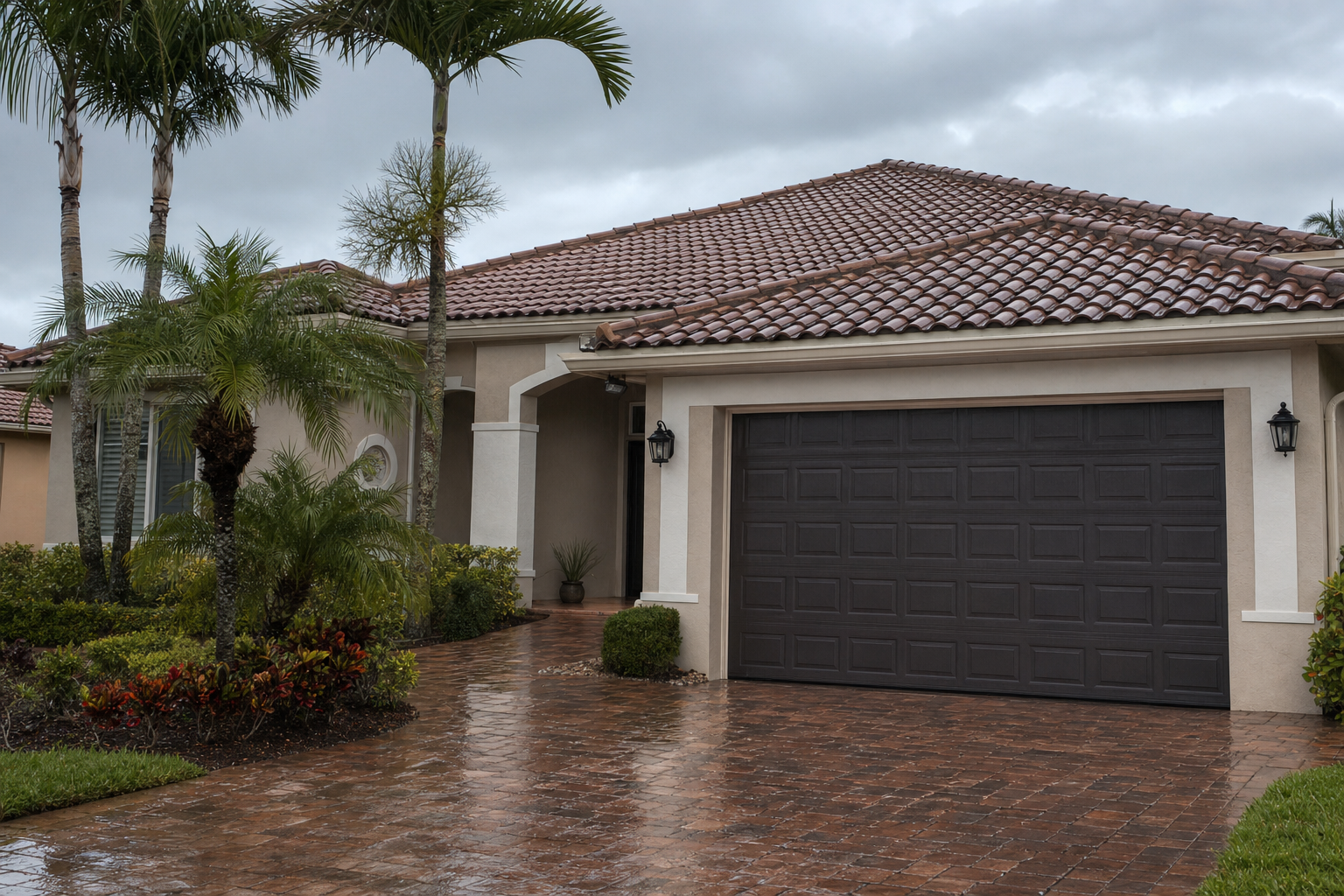
What Storm Damage Can Look Like on a Miami-Dade Roof
A hurricane does not have to be a major Category 4 or 5 storm to affect a roof. A Category 1 hurricane has sustained winds of 74 to 95 mph. [1] The Saffir-Simpson scale measures wind speed, not rainfall or flooding risk. [1]
On Miami-Dade homes, storm-related roof concerns often show up as:
- Lifted, creased, or missing asphalt shingles
- Broken, displaced, or sliding clay or concrete tiles
- Loose ridge caps, vents, pipe boots, or flashing
- Water stains near ceilings, soffits, or attic decking
- Debris impact marks from branches or wind-blown objects
- Fastener movement, membrane punctures, or ponding on flat roofs
The key is not to assume every mark is storm damage. South Florida roofs also deal with UV exposure, salt air, normal aging, foot traffic, prior repairs, and installation issues. A useful South Florida roof inspection separates visible storm effects from older wear as clearly as possible.
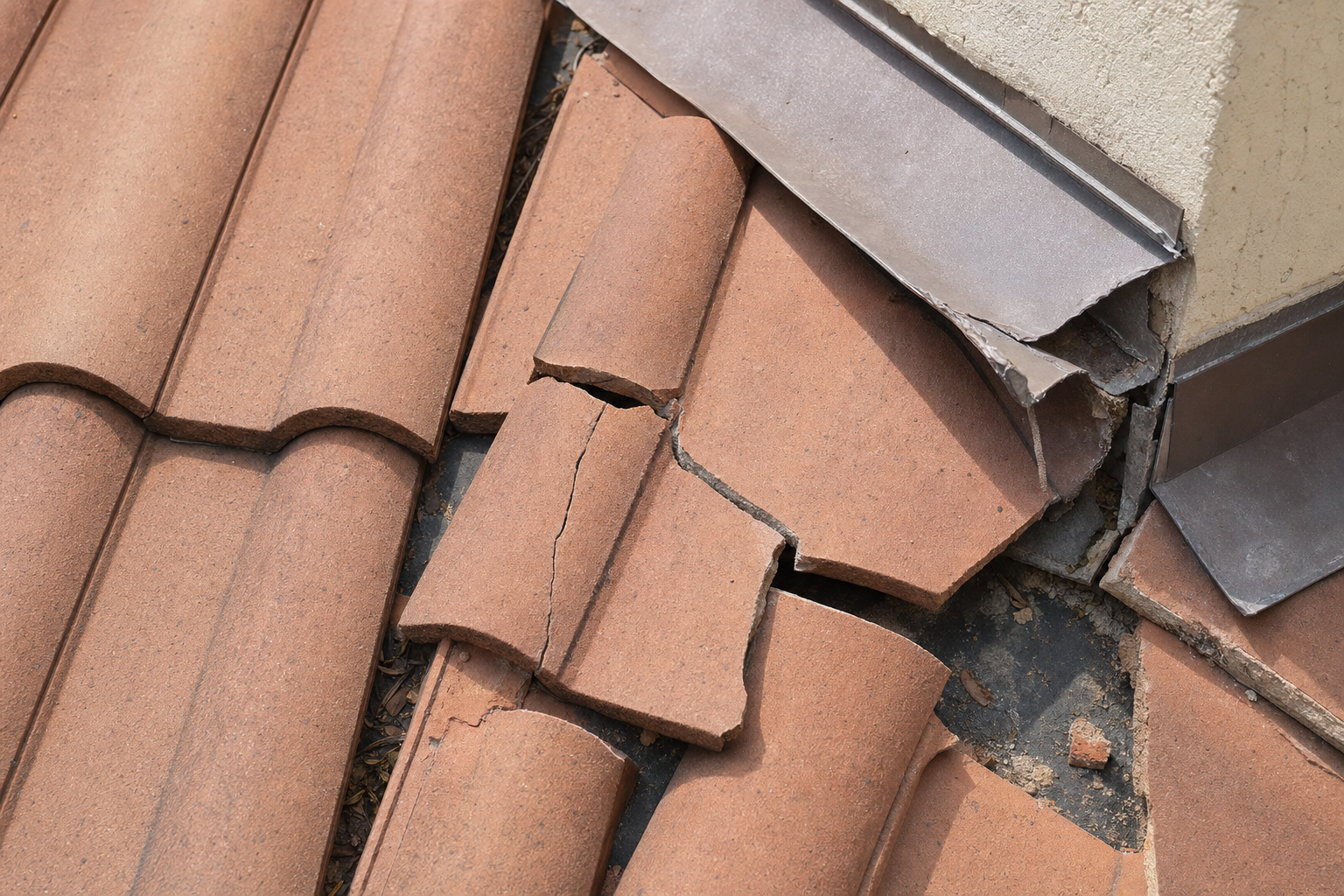
What Good Roof Documentation Should Include
A strong documentation file is simple, organized, and specific. For a homeowner-managed Miami Dade roof insurance claim, photos should show both close-up damage and wider context. Roof documentation should show both close-up damage and the roof area where the damage occurred. A close-up of a cracked tile helps, but a wider shot showing the roof plane, valley, vent, or ridge location makes the photo easier to understand later. A roof plane is one flat or sloped section of a roof surface.
Useful roof damage documentation Miami homeowners may need includes:
- Date-stamped photos of affected roof areas
- Wide photos that identify each roof plane
- Close-ups of lifted, cracked, missing, or displaced materials
- Interior photos of ceiling stains or attic moisture
- Notes on roof material, estimated age, and prior repairs
- A written inspection summary from a licensed roofing contractor
- Repair or replacement estimate details by roof system area
For commercial flat roofs in Miami-Dade, documentation should also note membrane type, seams, penetrations, drains, scuppers, parapet flashing, and ponding water. TPO and modified bitumen systems can hide damage until water intrusion appears inside the building. For property owners comparing next steps, see commercial roofing in Miami and roof repair services in Miami.
Miami-Dade Roof Claims Need Local Roofing Context
Miami-Dade is not an ordinary roofing market. Roof systems here face hurricane-season wind, wind-driven rain, heat, humidity, and salt-air corrosion. Miami-Dade and Broward are part of Florida’s High-Velocity Hurricane Zone, or HVHZ, a roofing environment that affects product approvals, attachment methods, and permitting expectations. [2]
That local context matters because Miami Dade roof insurance claim documentation should identify the actual system: asphalt shingle, tile, metal, TPO, modified bitumen, or another approved assembly. A tile roof may have broken tiles but also underlayment concerns. A shingle roof may show wind creasing that is different from simple granule wear. A metal roof may need documentation around panels, fasteners, seams, flashing, and edge details. A flat commercial roof may show membrane stress around seams, drains, or rooftop equipment.
Florida Roof Insurance Rules and Documentation
Florida’s property insurance environment has changed in recent years, which makes roof age, remaining useful life, and inspection records especially important for homeowners. Florida law says an insurer may not refuse to issue or renew a homeowners policy solely because of roof age if an authorized inspection shows the roof has five or more years of useful life remaining. [3]
Florida also restricted assignment-of-benefits arrangements for many property policies issued on or after January 1, 2023, which is one reason homeowners should keep their own Florida roof insurance documentation organized and understand what they are signing. [4]
Duke Contractors is a licensed roofing contractor, not a public adjuster. The contractor role is to inspect the roof, document visible roofing conditions, explain repair or replacement options, and provide a roofing estimate. The homeowner stays in control of the insurance claim, and any coverage decisions are handled through the policy and insurer process. For estimate-focused next steps, see roofing estimate in Miami.
Miami-Dade Roof Insurance Claim Documentation Checklist
After a storm, the safest documentation process starts from the ground and moves in order. Do not climb onto the roof, discard damaged roofing materials too quickly, or sign unclear claim-related documents before you understand what they mean.
Use this sequence for a Miami storm damage roof inspection:
- Start with safety and photograph only what you can see from the ground
- Save the storm date, approximate time, and any weather alerts or notes
- Take exterior photos of the roof, gutters, soffits, fascia, vents, and visible debris impact
- Take interior photos of ceiling stains, attic moisture, peeling paint, or water trails
- Schedule a licensed roof inspection for insurance claim Miami documentation
- Request a written inspection summary that separates visible storm effects from age-related wear
- Ask for a repair or replacement estimate organized by roof system area
- Keep copies of photos, inspection notes, estimates, and insurer communications in one folder
Residential properties and commercial buildings may need different documentation details. For homeowners, see residential roofing in Miami. For business properties, keep flat-roof drainage, rooftop equipment, membrane seams, and parapet conditions in the photo set.
FAQ: Miami-Dade Roof Insurance Claim Documentation
What should I document first for a Miami-Dade roof insurance claim?
Start with safe ground-level photos, interior water stains, the date of the storm, and a licensed roofing contractor’s inspection summary. For a Miami Dade roof insurance claim, the most useful evidence usually connects the visible damage to a specific roof area, material, and date.
Should I climb on my roof after a storm?
No. Homeowners should document what they can safely see from the ground and schedule a roofing inspection for roof-level conditions. Wet tile, loose shingles, steep slopes, and hidden storm damage can make roof access unsafe.
Can Duke Contractors handle my insurance claim?
Duke Contractors can inspect the roof, document visible roofing conditions, and provide an estimate, but claim decisions are handled by the homeowner, insurer, and policy process. Duke Contractors does not act as a public adjuster.
Why does Miami-Dade roof documentation need local context?
Miami-Dade roofs face hurricane wind, wind-driven rain, heat, humidity, salt air, and HVHZ roofing requirements that affect how damage should be documented. The same visible leak can involve different evidence on a tile roof, shingle roof, metal roof, or commercial flat roof.
Can a roof have both storm damage and age-related wear?
Yes. A Miami-Dade roof can show storm effects, UV wear, salt-air exposure, old repairs, and installation issues at the same time. A good inspection should describe those conditions separately so the documentation is clearer.

Closing CTA
If your Miami-Dade home or commercial property has roof damage after a storm, document the damage and schedule a free roof inspection with Duke Contractors. Our team serves Miami-Dade, Broward, Palm Beach, Monroe County, and South Florida with residential and commercial roofing inspections, repair estimates, and clear Miami-Dade roof insurance claim documentation for homeowners and property owners.
References
- National Hurricane Center, Saffir-Simpson Hurricane Wind Scale, https://www.nhc.noaa.gov/aboutsshws.php ↩
- Miami-Dade County, High Velocity Hurricane Zone Uniform Roofing Application Form, https://www.miamidade.gov/permits/library/roofing-permit.pdf ↩
- Florida Statutes Section 627.7011, https://www.flsenate.gov/Laws/Statutes/2024/627.7011 ↩
- Chapter 2022-271, Laws of Florida, https://laws.flrules.org/files/Ch_2022-271.pdf ↩
