In Miami-Dade County, replacing a roof is not the same as replacing a roof in most other parts of Florida. Homes here sit inside the High Velocity Hurricane Zone, or HVHZ, where roofing materials, fastening patterns, permits, inspections, and product approvals all matter. For homeowners, the pain point is simple: a roof can look good from the street and still fail a code review if the system is not approved, installed, and documented correctly. Understanding Miami Dade HVHZ roofing requirements helps you ask better questions before a repair or replacement, especially during hurricane season. The Atlantic hurricane season runs from June 1 through November 30. [1]
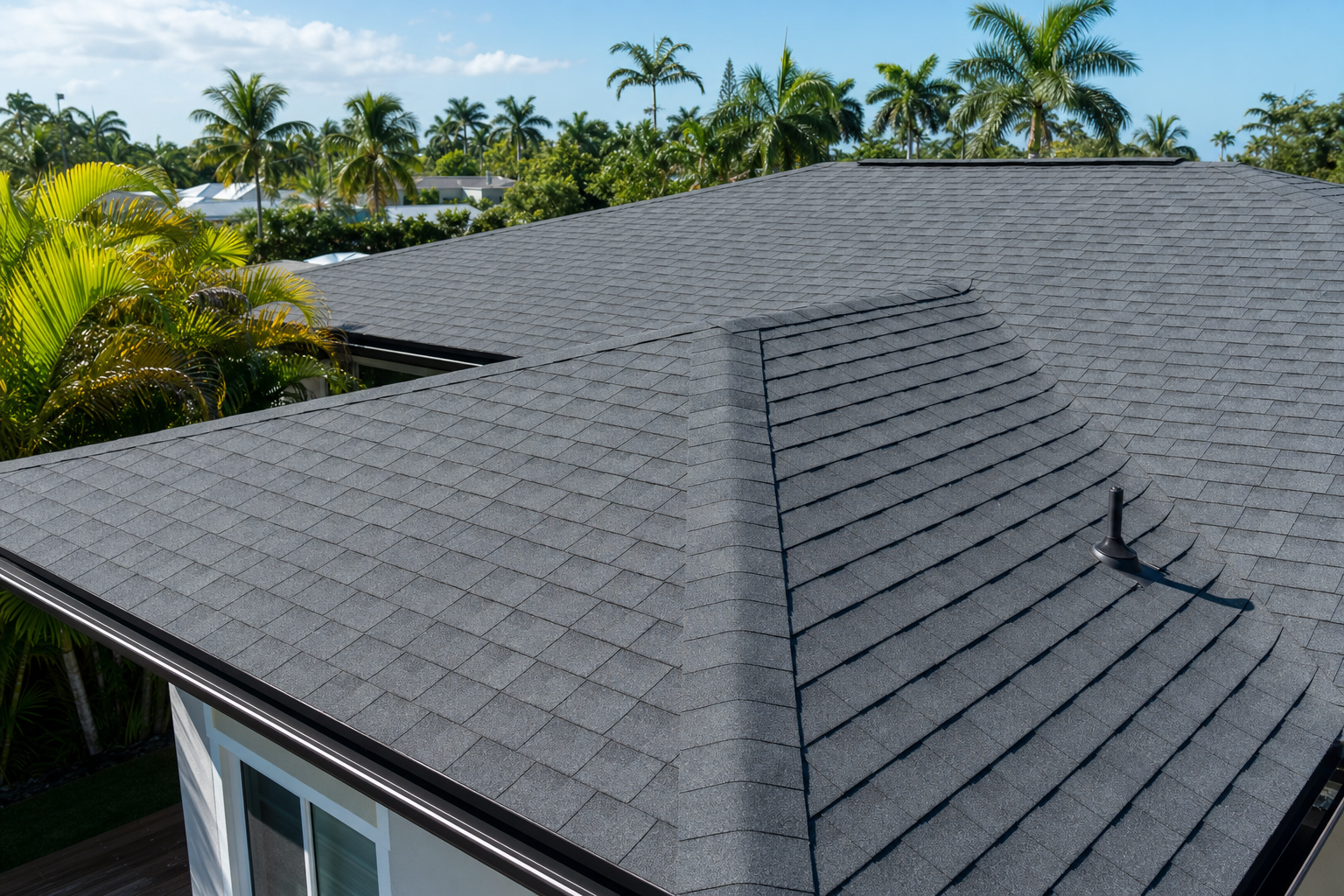
Miami-Dade HVHZ Roofing Requirements at a Glance
Miami Dade HVHZ roofing requirements are building-code rules for roof products, assemblies, fastening, permits, inspections, and documentation in the High Velocity Hurricane Zone.
- The Florida HVHZ includes Miami-Dade County and Broward County. [2]
- A roof assembly includes the deck, underlayment, fasteners, flashing, roof covering, and accessories.
- Roof product approval does not replace proper installation, permitting, or inspection.
- A Miami-Dade Notice of Acceptance, or NOA, identifies approved product uses, limits, and installation conditions.
- Nearby counties such as Palm Beach and Monroe are not part of the HVHZ, but South Florida roofs still face wind, rain, salt-air, and local code considerations.
What HVHZ Means for a Miami-Dade Roof
HVHZ stands for High Velocity Hurricane Zone. In Florida building code language, the HVHZ includes Miami-Dade and Broward counties, where roofs must meet stricter wind-performance rules than many other Florida regions. [2]
For a homeowner, Miami Dade HVHZ roofing requirements do not point to one single product or one single roof style. They mean the entire roof assembly has to be acceptable for the property, the exposure, the deck, and the installation method. That can include asphalt shingles, tile roofing, metal roofing, or commercial low-slope systems like TPO or modified bitumen, but the materials have to match the approved system.
Key terms to know:
- Roof assembly: the full roof system, including deck, underlayment, fasteners, flashing, covering, and accessories.
- Uplift: wind pressure that pulls upward on the roof surface during high winds.
- Product approval: documentation showing a roofing product or system has been evaluated for use under Florida code requirements, not a guarantee that the roof will perform if installed incorrectly.
- NOA: a Miami-Dade Notice of Acceptance, commonly used to verify approved products, approved uses, and installation limits.
Product Approval Is Not Optional
One of the most important Miami Dade HVHZ roofing requirements is product approval. A roofing material should not be chosen only by color, price, or brand name. The contractor needs to confirm that the proposed system is approved for the roof type and installation conditions.
Florida Building Code Online, maintained through the Florida Building Commission system, provides a searchable Product Approval system for building products, and the current code version listed there is the 2023 Florida Building Code, effective December 31, 2023. [3]
Miami-Dade County Product Control also maintains product-control resources for Notices of Acceptance. [4]
For homeowners, this matters because two roofs can use similar-looking shingles or tile but require different fastening patterns, underlayments, adhesives, or deck attachments. The approval documents often define the details that make the roof compliant.
A Florida product approval roofing document and a Miami-Dade Notice of Acceptance can both support code compliance, but they are not always the same thing. A Florida Product Approval is part of the statewide product approval system. A Miami-Dade NOA is a product-control document commonly used in Miami-Dade to verify where and how a product may be used.
Permits, Inspections, and Installation Details
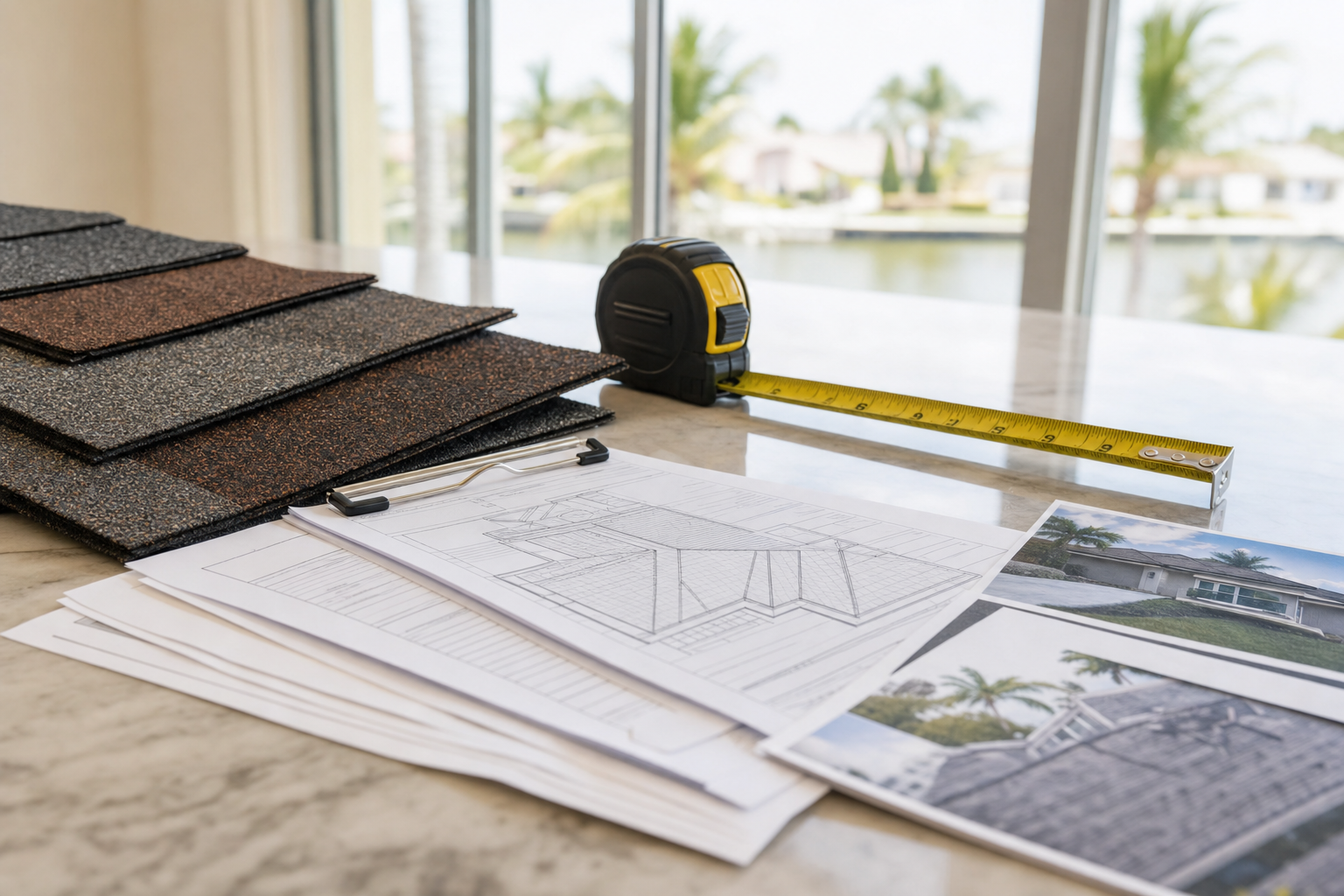
A roof replacement in Miami-Dade normally requires a roofing permit and inspections. The permit process is not just paperwork. It is how the local authority verifies that the work being performed matches code requirements and approved product documentation.
Miami Dade HVHZ roofing requirements also shape the inspection sequence. In plain language, the roof system is proposed, permit documents are submitted, approved materials are installed in stages, required inspections are completed, and the final roof is reviewed before closeout.
Homeowners should expect a licensed roofing contractor to discuss:
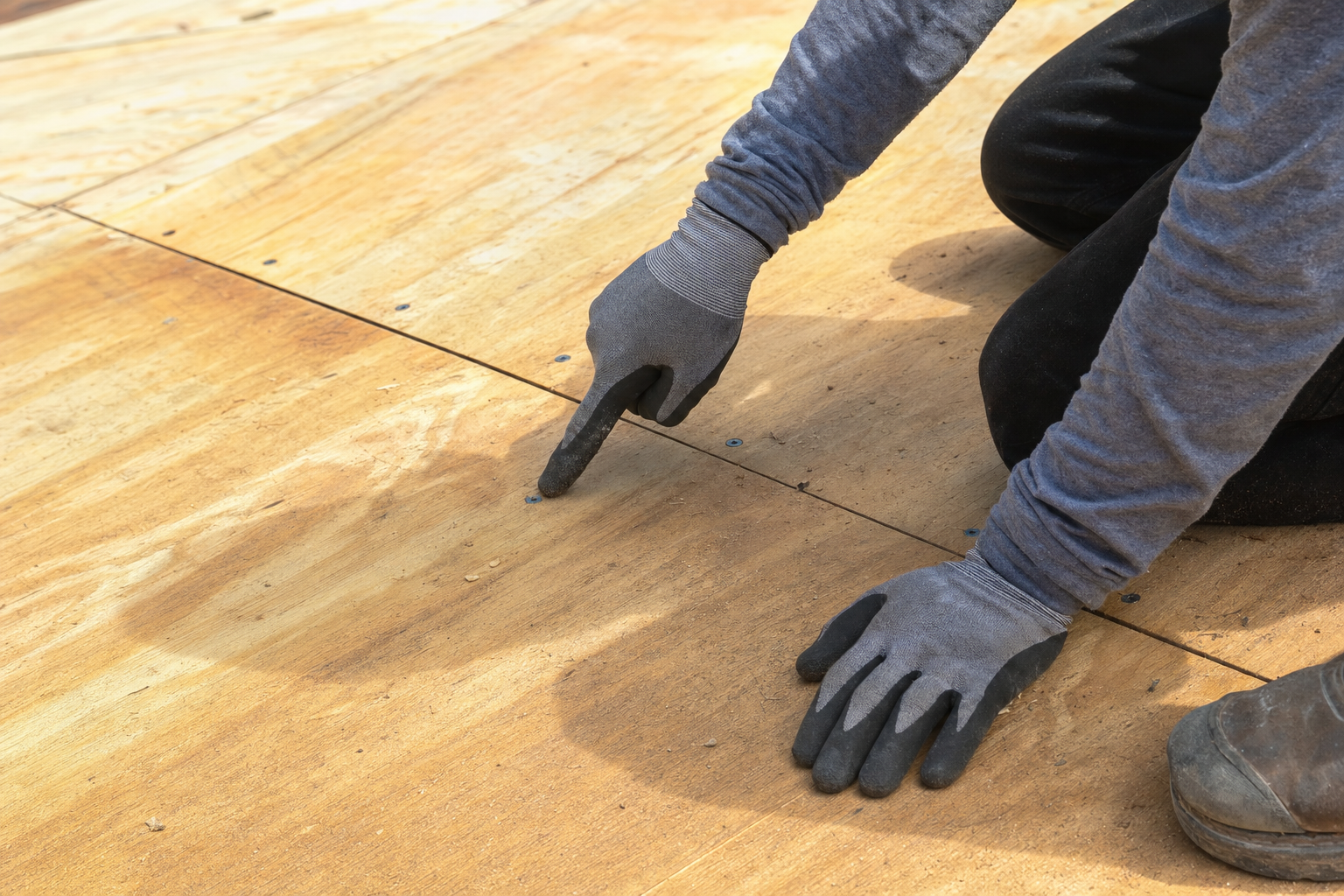
- The existing roof deck condition
- Whether damaged or deteriorated decking must be replaced
- Underlayment type and attachment method
- Flashing around walls, vents, skylights, and roof penetrations
- Fastener type, spacing, and pattern
- Final inspection requirements
The 2023 Florida Building Code includes roof assembly and rooftop structure provisions in Chapter 15. [5]
This is where experience matters. HVHZ roofing Miami-Dade work is not only about passing inspection at the end. It is about building the roof correctly at each stage, because many critical components become hidden once the next layer is installed. Homeowners comparing residential roofing in Miami-Dade should ask how the contractor documents those stages.
What Homeowners Should Ask Before Signing
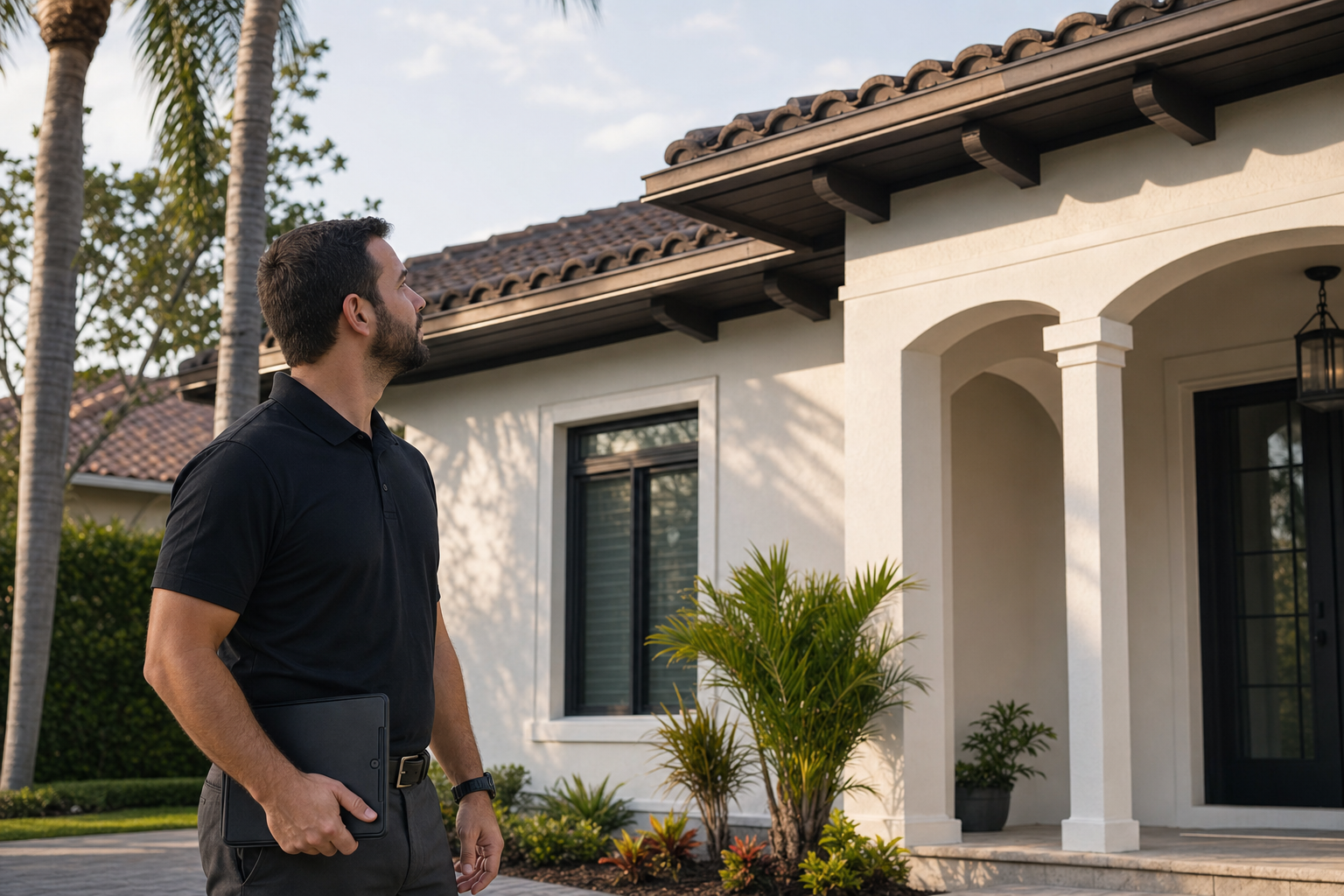
A good roofing estimate in Miami-Dade should make the system clear. If the proposal only says “new shingle roof” or “tile roof replacement,” ask for more detail.
Helpful questions include:
- Is this roof system approved for Miami-Dade HVHZ use?
- What product approval or NOA applies to the proposed materials?
- What underlayment system is included?
- How will the roof deck be inspected?
- What flashing details are included?
- Who is responsible for permit coordination and inspection scheduling?
- What workmanship warranty is included?
The goal is not to turn every homeowner into a code expert. The goal is to make sure the contractor can explain the system in plain language and provide documentation that matches the work. If you are comparing bids, ask for a roofing estimate in Miami that clearly names the roof system, approval documents, permit responsibilities, and inspection expectations.
When to Schedule a Roof Inspection Before Replacement
A roof inspection is worth scheduling before replacement when you see missing shingles, cracked tile, lifted flashing, soft decking, active leaks, ponding on a flat roof, or storm-related debris impact. It is also useful when the roof is older and you are trying to plan a Miami-Dade roof replacement before hurricane season pressure builds.
For storm-season planning, a pre-replacement inspection can help separate urgent repair items from full-system replacement planning. Duke Contractors can provide roof repair and inspection support when a homeowner needs a practical next step before committing to a larger project.
Storm damage roof inspections in South Florida are especially important after high winds or wind-driven rain, but the inspection should stay focused on roof condition, safety, documentation, and repair options.
Homeowner Documentation Checklist
Before signing a Miami-Dade roof replacement proposal, ask for the documents and details that help connect the estimate to the actual roof system.
- Contractor license and company information
- Written scope of work
- Product approval or Miami-Dade NOA references
- Underlayment and fastening details
- Permit responsibility
- Inspection expectations
- Warranty terms
- Photos or notes from the roof inspection
Commercial properties should ask the same questions with added attention to drainage, rooftop equipment, access, and low-slope system details. For business owners or property managers, commercial roofing systems in Miami-Dade often require extra coordination around tenant access, safety, and scheduling.
HVHZ Roofing FAQ
What are Miami-Dade HVHZ roofing requirements?
Miami Dade HVHZ roofing requirements are building-code rules for roof products, assemblies, fastening, permits, inspections, and documentation in the High Velocity Hurricane Zone.
Is a Florida Product Approval the same as a Miami-Dade NOA?
No. Both can support code compliance, but a Miami-Dade Notice of Acceptance is a product-control document commonly used to verify approved uses and installation limits in Miami-Dade.
Do roof repairs need permits in Miami-Dade?
Many roof replacements and significant roofing repairs require permits, but the exact requirement depends on the scope of work and local authority review. A licensed roofing contractor should confirm the Florida roofing permit requirements that apply before work begins.
Why does HVHZ roofing cost more than standard roofing?
HVHZ roofing can involve stricter product approvals, fastening patterns, underlayment requirements, inspections, and documentation, which can affect labor and material costs.
Who should verify the roof system before work begins?
A licensed roofing contractor should verify that the proposed roof assembly, product approvals, permit documents, and installation method match the property.
Schedule a Miami-Dade Roof Replacement Consultation
If you are planning a roof replacement or want a clearer read on your current roof, schedule a free roofing consultation with Duke Contractors. Our team serves Miami-Dade, Broward, Palm Beach, Monroe County, and South Florida, including Doral, Miami, Homestead, and Fort Lauderdale, with residential and commercial roofing estimates built around code-conscious workmanship, clear documentation, and practical next steps.
References
