Choosing a roofing contractor in Miami is not the same as hiring a roofer in a mild-weather market. Your roof has to handle intense sun, wind-driven rain, salt air, tropical systems, and strict South Florida code requirements. If you are wondering how to choose a roofing contractor in Miami, start with licensing, local experience, roof-system knowledge, documentation, and written scope. The wrong hire can leave you with poor documentation, mismatched materials, avoidable leaks, or a repair that does not hold up when the next storm season arrives. If you are comparing roofers for a repair, replacement, inspection, or commercial flat-roof project, use these 10 roofing contractor questions to separate a professional roofing contractor from a risky low bid.
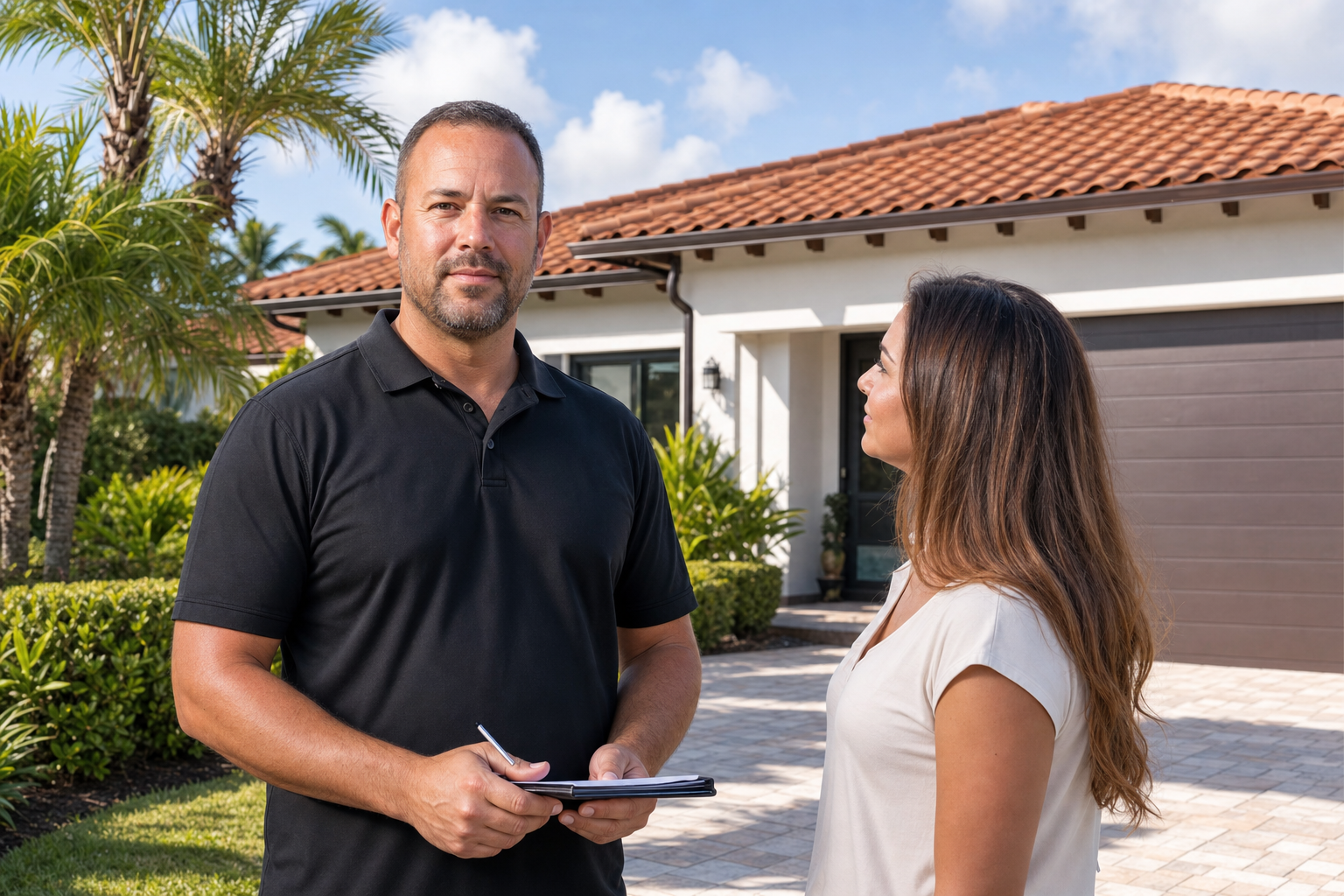
How to choose a roofing contractor in Miami before you sign
Before you sign anything, slow the process down enough to verify, inspect, compare, document, and confirm the warranty. A reliable Miami roofing contractor should be able to explain the license, the inspection process, the materials, the permit path, the written estimate, and the follow-up support in plain language.
Unlicensed or uninsured roofing work can create problems after the job starts: unclear responsibility, poor documentation, incomplete scope, and repairs that may not meet local requirements. The safest approach is to choose a licensed roofing contractor Florida homeowners can verify through the state, then compare written scopes instead of relying on a verbal price.
1. Are you licensed for roofing work in Florida?
Start here. Florida roofing contractors must be licensed for roofing work through the state. Florida defines a roofing contractor as a contractor whose services are unlimited in the roofing trade, including installing, repairing, maintaining, and replacing roof systems. [1] Ask for the company’s license name and number, then verify it through the Florida Department of Business and Professional Regulation license search. [2]
Do not rely on a logo on a truck, a social media page, or a verbal answer. A professional contractor should expect this question.
2. Do you work in Miami-Dade and South Florida regularly?
A Miami-Dade roofing contractor should understand the conditions that wear down roofs here: UV exposure, salt air corrosion near the coast, heavy summer rain, and wind pressure during tropical weather. The Atlantic hurricane season runs from June 1 through November 30, and an average Atlantic season has 14 named storms, 7 hurricanes, and 3 major hurricanes based on the 1991-2020 climate period. [3]
Ask where the company works most often. Duke Contractors serves Miami-Dade County, Broward County, Palm Beach County, Monroe County, and the broader South Florida area.
Local experience is one of the most important parts of how to choose a roofing contractor in Miami because roof performance depends on South Florida code, weather, and product approvals.
3. What roof types do you actually install and repair?
Not every roofer is equally strong with every system. In South Florida, common residential roof types include asphalt shingles, tile roofing, and metal roofing. Commercial properties often use low-slope roofing systems such as TPO or modified bitumen. Low-slope roofing refers to roof systems commonly used on commercial buildings where drainage and waterproofing details are critical.
Ask direct questions:
- Do you repair and replace my specific roof type?
- What failure points do you look for on this system?
- When is repair practical, and when is replacement the better long-term option?
- How do you handle ventilation, flashing, underlayment, and drainage?
Underlayment is the protective layer installed beneath the visible roof covering. Flashing is metal or waterproofing material used around roof edges, walls, vents, valleys, and penetrations to help direct water away. A good answer should explain the full roof system, not just the visible surface.
For property owners comparing service options, Duke Contractors provides residential roofing services in Miami and commercial roofing services in Miami.
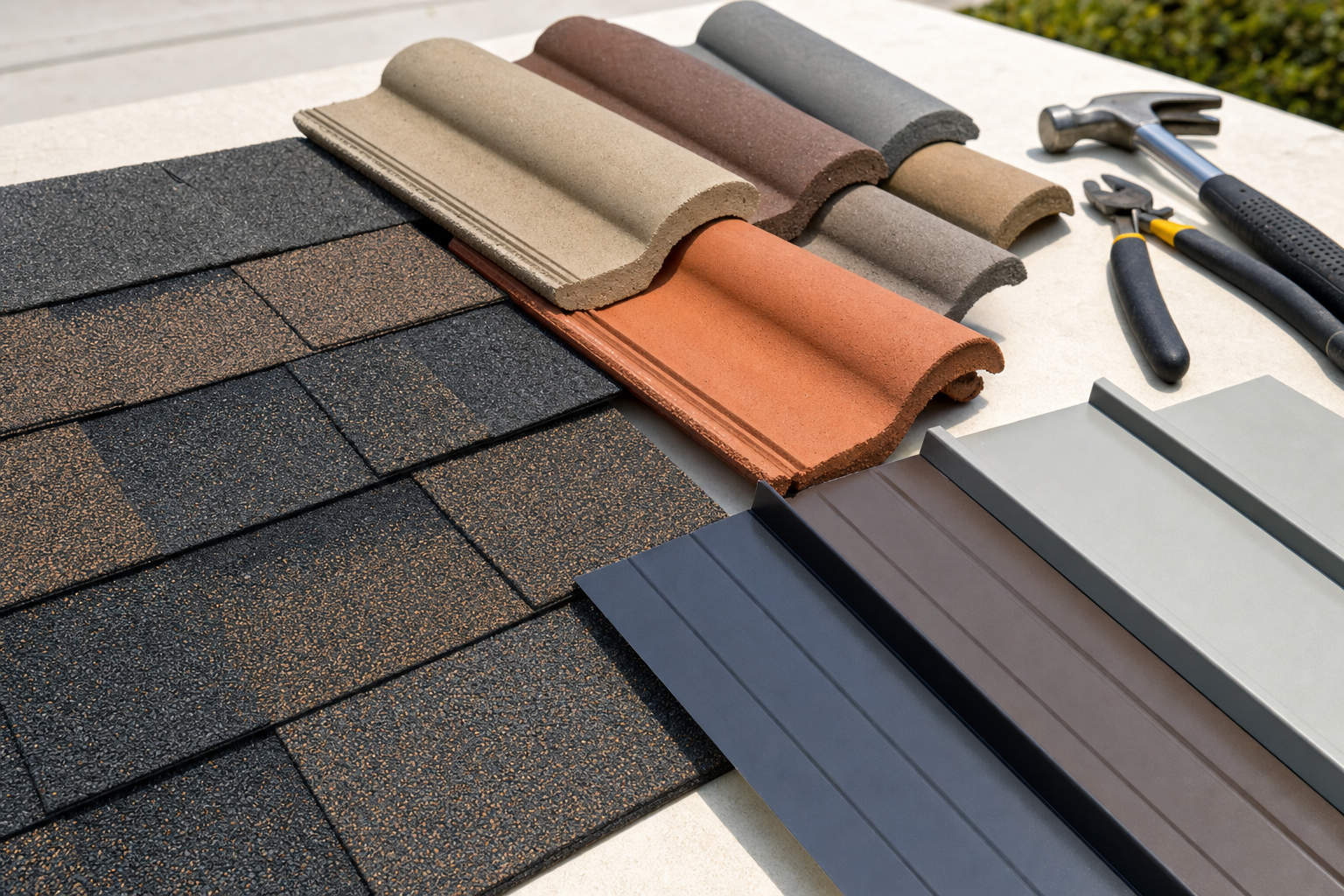
4. Will you inspect the whole roof system?
A quick glance from the driveway is not enough. A reliable contractor should inspect roof covering, flashing, vents, valleys, penetrations, fascia areas, gutters where relevant, attic signs when accessible, and low-slope drainage on commercial roofs.
A South Florida roof inspection should connect visible symptoms to the roof system around them. If there is an active leak, missing shingles, cracked tile, ponding water, damaged flashing, or storm-related wear, the contractor should explain whether roof repair in Miami or roof replacement in Miami is the more practical next step.
5. What documentation will I receive?
For Miami homeowners, clean documentation matters. Ask whether the contractor provides photos, written findings, repair recommendations, and estimate details. If storm damage is present, documentation should be factual: what was observed, where it was found, and what roof components appear affected.
Avoid any contractor who turns the conversation into promises about insurance outcomes. A roofing contractor can inspect and document roof conditions. The homeowner remains in control of any insurance decisions.
6. Which materials and approvals will you use?
In Miami-Dade, product approval matters. Miami-Dade County’s Product Control section reviews building products, including roofing-related systems, through Notices of Acceptance for compliance in high-wind conditions. [4] A Notice of Acceptance, or NOA, is Miami-Dade documentation showing that a building product has been reviewed for local code compliance. Miami-Dade roofing projects may require approved products documented through Notices of Acceptance.
Ask:
- What manufacturer and product line are you recommending?
- Is the system appropriate for Miami-Dade conditions?
- What underlayment, fasteners, adhesives, or accessories are included?
- Are the warranty terms tied to using a complete system?
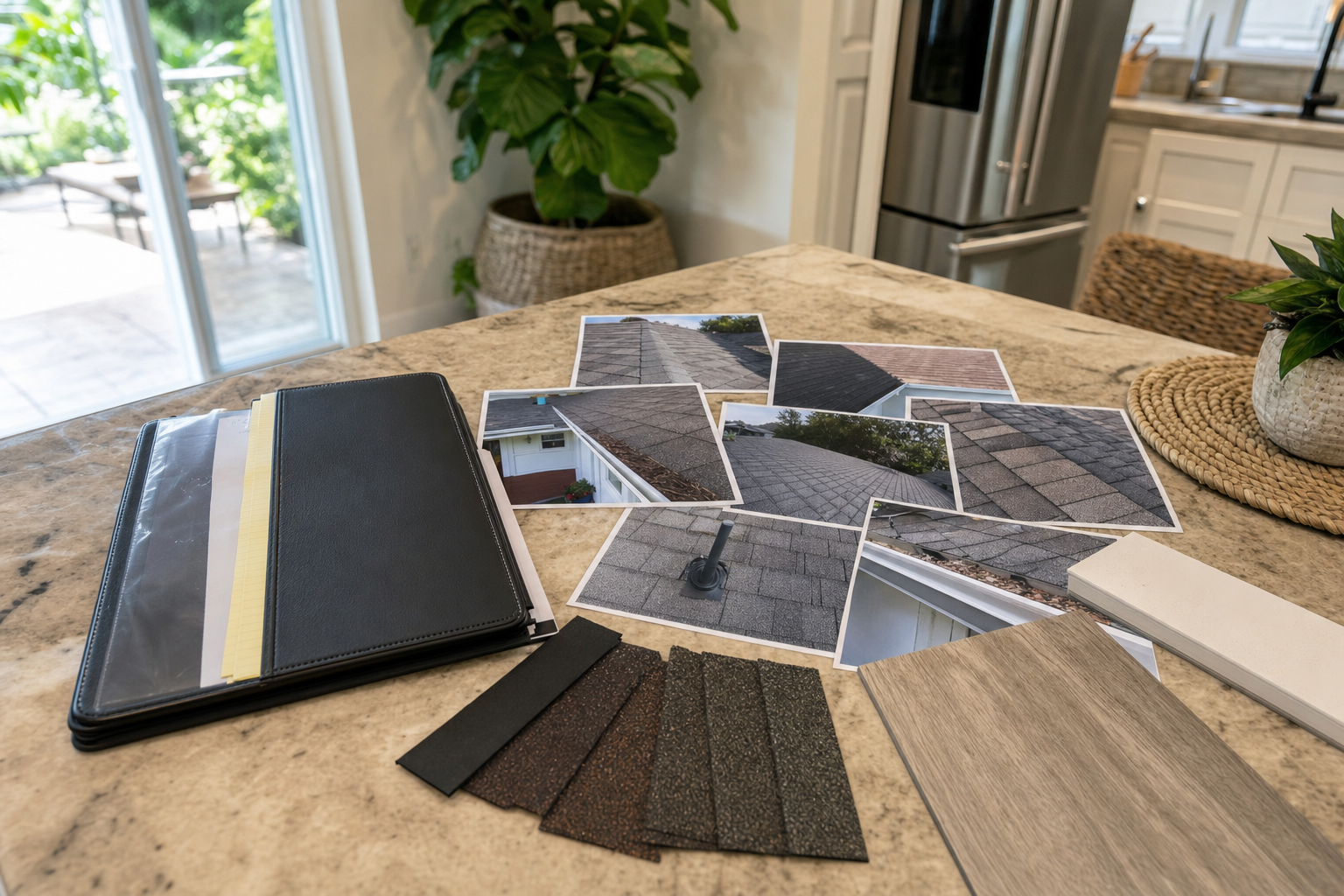
7. Who handles permits and code details?
Permitting is not a bonus feature in South Florida. It is part of doing roofing correctly. Ask how the contractor handles roofing permits Miami-Dade inspections, product documentation, and code-required details. A professional answer should be specific and calm, not vague.
This is also where the contractor should clarify the difference between an inspection, an estimate, and the final contract scope. An inspection identifies roof conditions. An estimate outlines likely cost and scope. The contract should confirm what work is being performed, which materials are being used, what is excluded, how permits are handled, and what warranty terms apply.
A complete estimate is another practical checkpoint in how to choose a roofing contractor in Miami.
8. What is included in the estimate?
Low bids can hide missing scope. Ask whether the estimate includes tear-off, deck repair allowances, underlayment, flashing, vents, drip edge, disposal, permits, labor, materials, and warranty information.
A roofing estimate should list materials, labor, permits, cleanup, warranty terms, and scope exclusions. The goal is not to choose the cheapest number. The goal is to compare complete scopes.
9. How do you protect the property during the job?
Roofing is disruptive. Ask about driveway protection, landscaping, debris control, magnet cleanup for nails, material staging, and weather planning. For occupied homes and commercial properties, ask how the crew communicates schedule changes.
It is also reasonable to ask what the company has completed locally. Reviewing completed roofing projects in South Florida can help you understand the contractor’s typical work, roof types, and property conditions.
10. What warranties and follow-up support do you provide?
Ask for workmanship warranty details in writing, plus manufacturer warranty information for the selected material. Also ask who you call if a concern appears after completion. A reputable Miami roofing contractor should be clear about what is covered, what is excluded, and how service requests are handled.
Before work starts, you should have the license information, written scope, material selections, permit responsibility, payment terms, warranty details, and cleanup expectations in writing.
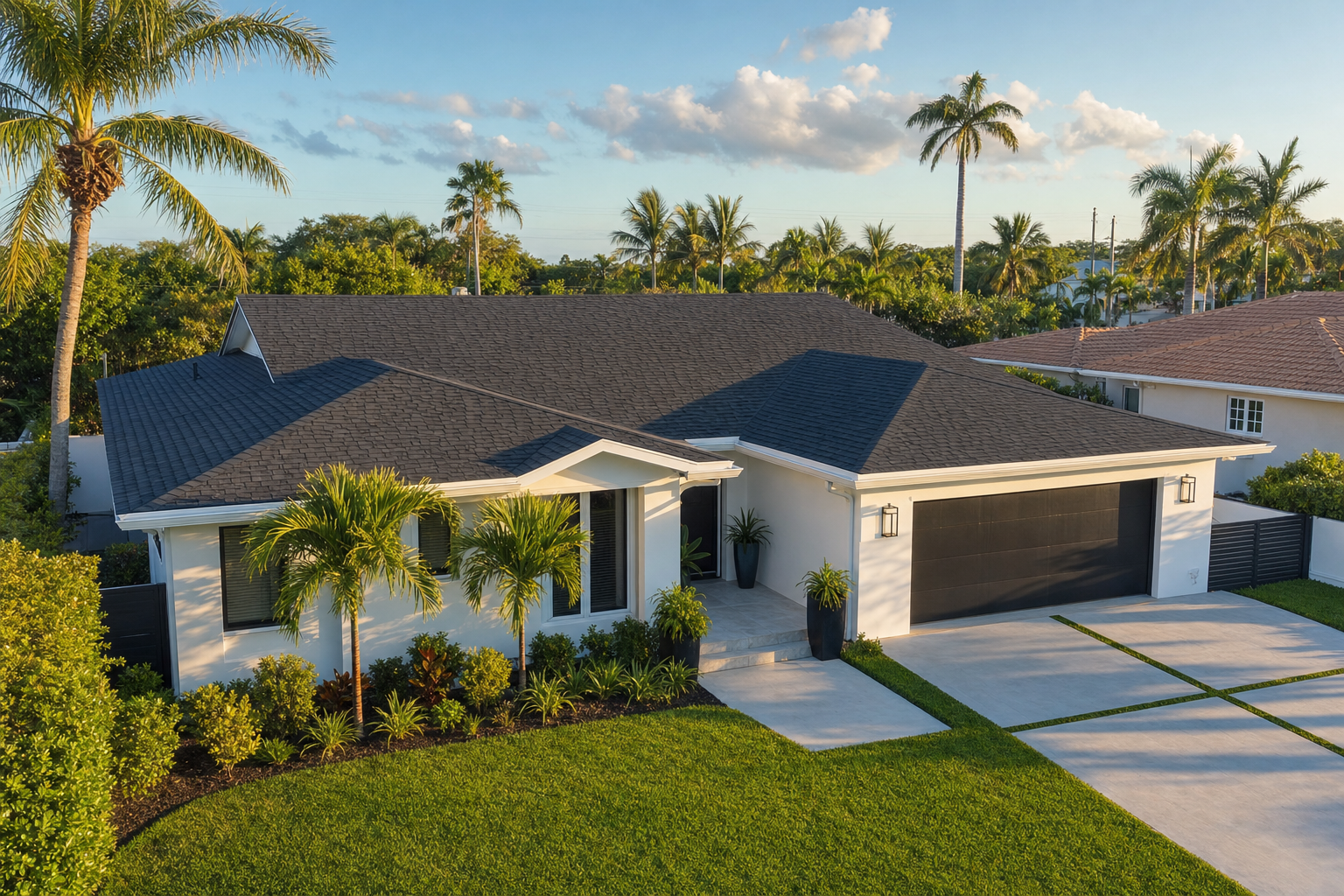
Quick checklist before hiring a Miami roofer
Use this short checklist before choosing a contractor:
- Verify the Florida roofing license through DBPR.
- Inspect the full roof system before accepting a recommendation.
- Compare complete written scopes, not just prices.
- Document roof conditions with photos and written findings.
- Confirm materials, Miami-Dade approvals, permits, cleanup, and warranty terms.
FAQ
How do I verify a roofing contractor in Miami?
Ask for the license name and number, then check the contractor through the Florida DBPR license search before signing. The first step in how to choose a roofing contractor in Miami is verifying the contractor’s Florida roofing license.
What should a Miami roofing estimate include?
A roofing estimate Miami homeowners can compare should include scope, materials, underlayment, flashing, permits, labor, disposal, warranty terms, and any deck repair assumptions.
Why are Miami-Dade product approvals important?
Product approvals help confirm that roofing materials and systems are appropriate for local high-wind building requirements. In Miami-Dade, that often means checking whether the system has the right NOA documentation for the project.
Should a roofer inspect the whole roof before quoting?
Yes. A reliable roofing contractor should inspect covering, flashing, penetrations, drainage, visible damage, and accessible interior signs before recommending repair or replacement.
Is the lowest roofing bid the best choice?
Not always. A low bid may omit permits, materials, cleanup, warranty terms, or repair assumptions that affect the final cost and roof performance.
Closing CTA
If you are comparing roofing contractors in Miami and want a practical answer to how to choose a roofing contractor in Miami, Duke Contractors can inspect your roof, explain your options, and provide a clear roofing estimate without pressure or insurance promises. Schedule a free consultation for residential or commercial roofing service in Miami-Dade, Broward, Palm Beach, Monroe, or the surrounding South Florida area.
References
