For property managers, facility managers, building owners, and condo associations, choosing an Elevate commercial roofing South Florida system is not just a brand decision. It is a building-performance decision. For owners comparing elevate commercial roofing South Florida options, the question is how the roof will handle Miami-Dade, Broward, Palm Beach, Monroe County, the Florida Keys, Doral, and Miami conditions over time. Flat and low-slope roofs in South Florida deal with hard UV exposure, wind-driven rain, rooftop equipment, ponding water, salt air, and hurricane-season pressure. Elevate, formerly Firestone Building Products, is a familiar name in commercial roofing, but the right system still depends on the roof deck, drainage, building use, code requirements, and long-term maintenance plan.
Is Elevate the Same as Firestone Commercial Roofing?
Elevate is the current brand name for the commercial roofing products formerly known as Firestone Building Products. Firestone Building Products announced the Elevate brand name in 2022, and the company states that formerly Firestone-branded roofing products continue under the Elevate name with the same materials, formulations, manufacturing methods, and quality programs. [1]
For South Florida building owners, that matters because many older maintenance files, warranty folders, and roof reports may still say “Firestone.” A roof installed years ago may be referred to as Firestone TPO, Firestone modified bitumen, Firestone commercial roofing Miami, or Firestone EPDM, while current product information and replacement specifications may use Elevate naming.
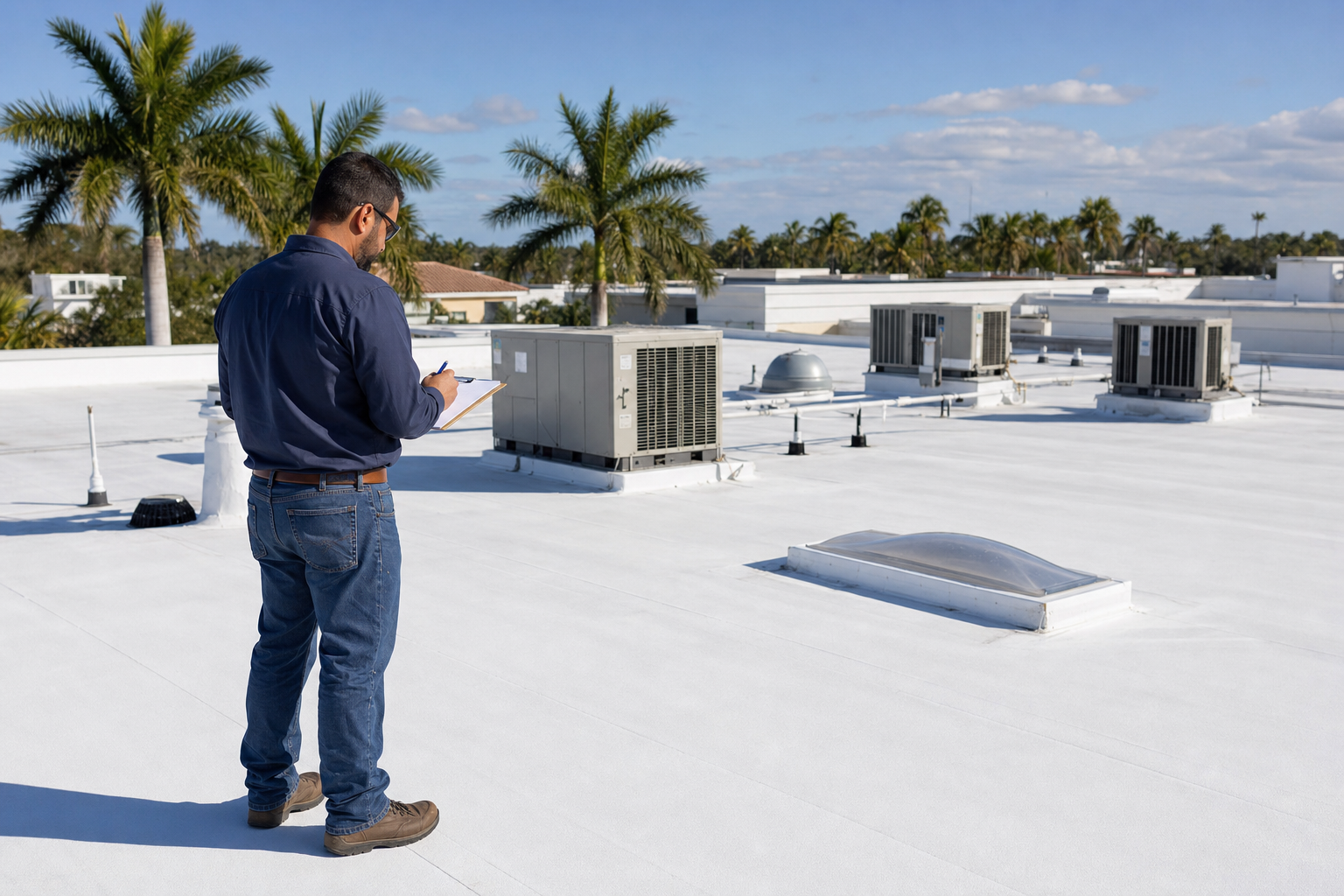
That does not mean every older Firestone roof should be replaced with the same material. It means the inspection should start with identifying the existing roof system, checking the assembly details, and comparing current Elevate options against the building’s actual conditions. In practical terms, elevate commercial roofing South Florida evaluations should begin with the roof you actually have, not only the product name in an old file.
The Elevate Systems South Florida Owners Usually Compare
Most commercial flat-roof conversations in South Florida come down to a few system types. The best choice for elevate commercial roofing South Florida projects depends on drainage, roof traffic, rooftop equipment, code zone, warranty goals, and how the existing assembly was built.
TPO is a reflective single-ply thermoplastic membrane used on many low-slope commercial roofs. Elevate lists UltraPly TPO, Platinum TPO, and related TPO systems as part of its commercial roofing portfolio, which is why Elevate TPO roofing South Florida searches often come up when owners are comparing white membrane systems. [2]
Modified bitumen is an asphalt-based low-slope roofing system often used where durability and detail work matter. It can make sense for certain commercial buildings, especially where traffic patterns, roof details, or service conditions call for a different approach. Elevate describes its asphalt roofing systems as options for flat and low-slope commercial roofs, including built-up, modified bitumen, and hybrid systems. [3]
EPDM is a synthetic rubber membrane, more common in some markets than others. In South Florida, TPO and modified bitumen often get more attention because of reflectivity preferences, local installer familiarity, and project-specific specifications.
| System | Best-fit use case | South Florida considerations | | — | — | — | | TPO | Broad low-slope commercial roofs where reflectivity, clean seams, and modern single-ply installation are priorities | Drainage, heat exposure, rooftop equipment, welded seams, edge details, and attachment method matter | | Modified bitumen | Roofs with heavier service traffic, complex details, or asphalt-based project specifications | Detail work, flashing, drainage, surface protection, and maintenance history should be reviewed closely | | EPDM | Certain low-slope roof assemblies where a rubber membrane fits the design and specification | Less common locally than TPO or modified bitumen; compatibility and installer familiarity should be confirmed |
Elevate TPO vs Modified Bitumen for South Florida Commercial Roofs
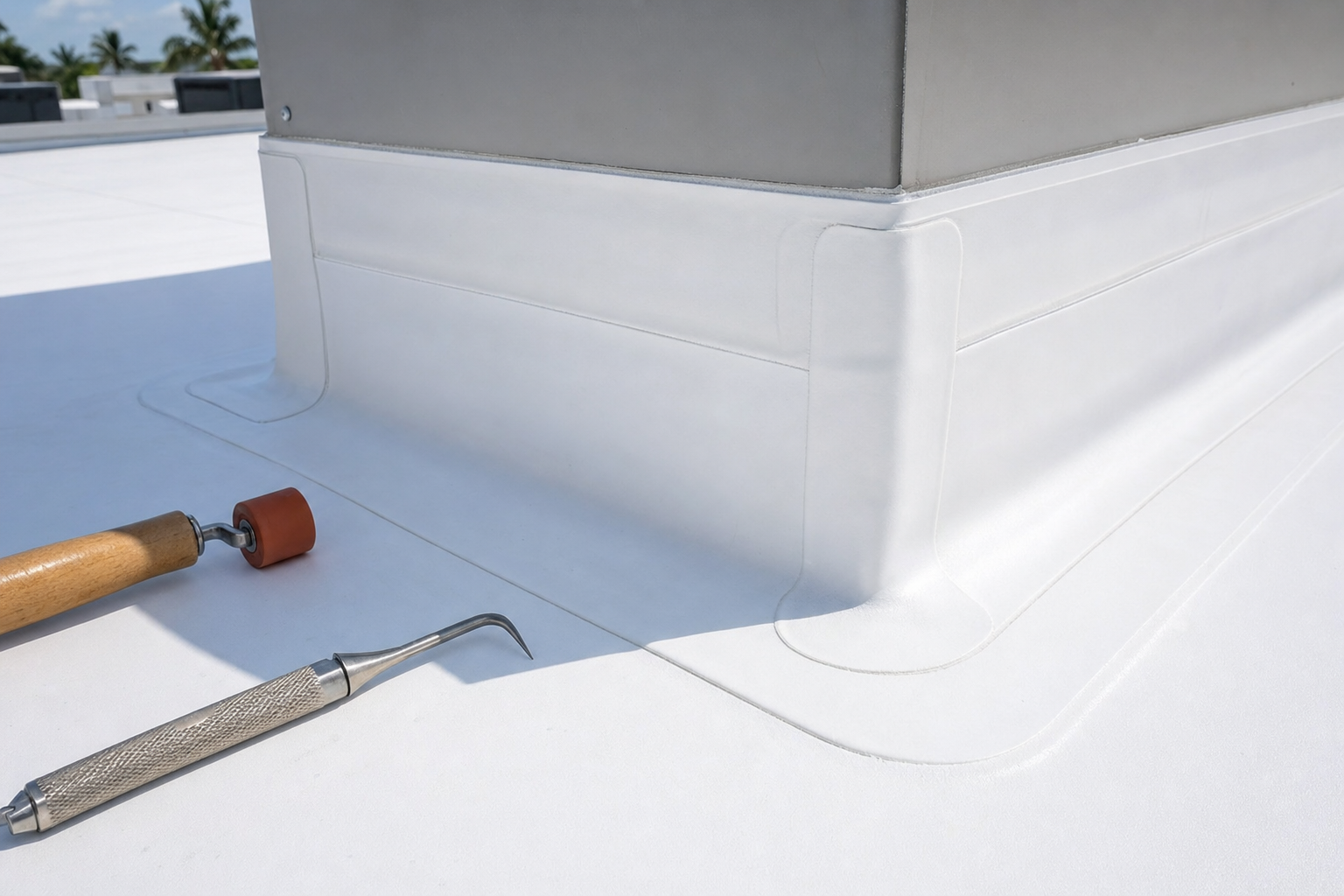
TPO may be a practical fit for commercial roofs with broad open areas, reflective membrane goals, and a layout where clean welded seams can be maintained. It is often discussed for warehouses, retail centers, office buildings, and low-slope commercial roofing South Florida projects where heat exposure and rooftop equipment access are part of the decision.
Modified bitumen may be considered where the roof has heavier service traffic, complicated transitions, more penetrations, or a project specification that favors asphalt-based assemblies. It can also be part of repair, restoration, or replacement conversations when an existing asphalt roof has known tie-in details.
Neither option should be chosen from a brochure alone. A roof assembly is the full installed system, not only the visible membrane. A commercial roof assembly includes membrane, insulation, attachment method, flashing, edge metal, drainage, and penetrations.
Why Roof Design Matters More Than Brand Alone
A strong manufacturer name helps, but the roof is a system. Membrane, insulation, cover board, fasteners, adhesives, flashing, edge metal, drains, scuppers, and rooftop penetrations all work together.
For South Florida buildings, Duke Contractors looks closely at:
- Ponding water near drains or low areas
- Open seams, fishmouths, or stressed flashing
- Cracked sealant around curbs and penetrations
- Loose edge metal or termination bars
- UV wear, membrane shrinkage, or surface chalking
- Foot traffic paths around HVAC units
- Evidence of prior patching or coating work
Ponding water is standing water that remains on a low-slope roof after rainfall instead of draining properly. Ponding water is a common warning sign on South Florida low-slope commercial roofs, especially near drains, scuppers, roof saddles, HVAC curbs, and previous repair areas.
The Atlantic hurricane season officially runs from June 1 through November 30. [4] For commercial roofs, wind is only part of the concern. Wind-driven rain, rooftop equipment movement, clogged drainage, and weak perimeter details can create problems even when the building does not take a direct hit.
Miami-Dade, Broward, and HVHZ Roofing Approval Details
Miami-Dade County reviews roofing systems and building-envelope products through its Product Control approval process. [5] HVHZ means High Velocity Hurricane Zone, a Florida Building Code designation that applies to Miami-Dade and Broward counties. [6]
That approval process matters for commercial roof assemblies in South Florida because the installed system must match the approved design, not just the product label. For an elevate commercial roofing South Florida proposal, the assembly details should be checked against the building, the jurisdiction, and the product approval path.
In practical terms, a commercial roof proposal should be specific. It should identify the system type, membrane thickness where applicable, attachment method, insulation plan, flashing details, drainage corrections, and relevant product approvals. A vague “new flat roof” scope is not enough for a building that has to perform through South Florida weather.
Warranty, Workmanship, and the Approved Assembly
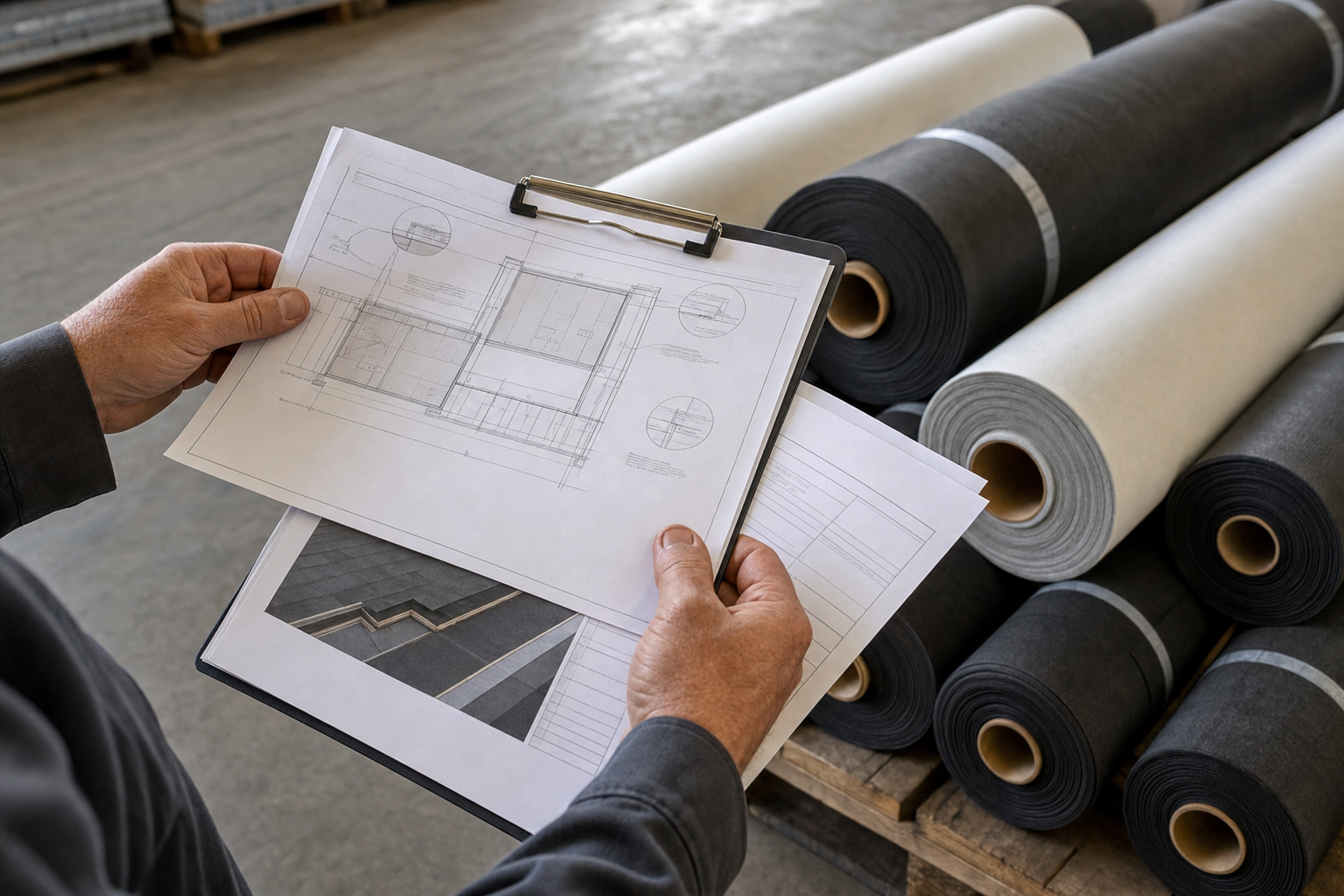
A manufacturer name, warranty document, and permit-approved assembly are related, but they are not the same thing. The manufacturer provides product and system requirements. The contractor is responsible for workmanship and installation details. The approved assembly defines how the roof should be installed for the building and code context.
That distinction matters when an owner is comparing repair, restoration, coating, or flat roof replacement Miami options. A coating may help in some restoration situations, but it is not a cure for trapped moisture, failing insulation, poor drainage, loose edge metal, or an assembly that no longer fits the building’s condition. A repair may make sense for isolated damage. Replacement may be the cleaner answer when leaks, membrane wear, drainage problems, or incompatible old repairs are widespread.
When an Elevate Roof May Be a Good Fit
An Elevate commercial roofing system may be worth considering when a building has an aging low-slope roof, recurring leak points, deteriorated flashing, ponding areas, or a roof layout that would benefit from a modern single-ply or asphalt-based assembly. For elevate commercial roofing South Florida planning, Duke Contractors LLC evaluates the existing roof condition, service area exposure, drainage, rooftop equipment layout, and code requirements before recommending a system.
TPO may be a practical fit for many commercial roofs with broad open areas and a need for reflective membrane performance. Modified bitumen may be considered where the building has heavier service traffic, complex details, or a project spec that favors asphalt-based assemblies. The right answer depends on the inspection.
A good roof review should answer three questions:
- Is the existing roof repairable, restorable, or ready for replacement?
- Is water draining properly after heavy rain?
- Does the proposed assembly fit the building, code zone, and rooftop equipment layout?
Duke Contractors is based in Doral and serves commercial roofing clients across Miami-Dade, Broward, Palm Beach, Monroe County, the Florida Keys, and surrounding South Florida markets.
FAQ
What is the best Elevate commercial roofing system for South Florida?
The best Elevate commercial roofing system for South Florida depends on drainage, roof deck condition, code zone, rooftop equipment, wind exposure, and whether TPO, modified bitumen, or another assembly fits the building.
Is Elevate the same as Firestone commercial roofing?
Yes. Elevate is the current brand name for commercial roofing products formerly known as Firestone Building Products. For owners comparing elevate commercial roofing South Florida options, older Firestone records and newer Elevate specifications may refer to the same product family under different brand names. [1]
Is TPO good for South Florida commercial roofs?
TPO can be a strong option for many South Florida commercial low-slope roofs, especially when the roof has proper drainage, compatible details, and professional installation. The system still needs to be matched to the building.
Does Miami-Dade approval matter for commercial roofing?
Yes. In Miami-Dade and other South Florida jurisdictions, the installed commercial roof assembly should match applicable product approvals, code requirements, and project specifications. Miami-Dade County reviews roofing systems and building-envelope products through its Product Control approval process. [5]
What causes flat commercial roofs to fail in South Florida?
Common issues include ponding water, UV exposure, stressed flashing, clogged drains, poor prior repairs, open seams, and roof traffic around HVAC equipment.
Should South Florida commercial roofs be inspected before hurricane season?
Yes. A pre-season roof inspection can document drainage issues, open seams, loose edge metal, flashing stress, membrane wear, and vulnerable penetrations before storm activity increases. The Atlantic hurricane season officially runs from June 1 through November 30. [4]
Can an older Firestone roof be repaired with Elevate materials?
It may be possible, but the roof should be inspected first to confirm the existing system, warranty status, compatibility, damage pattern, and whether repair or replacement is more appropriate.
Closing CTA
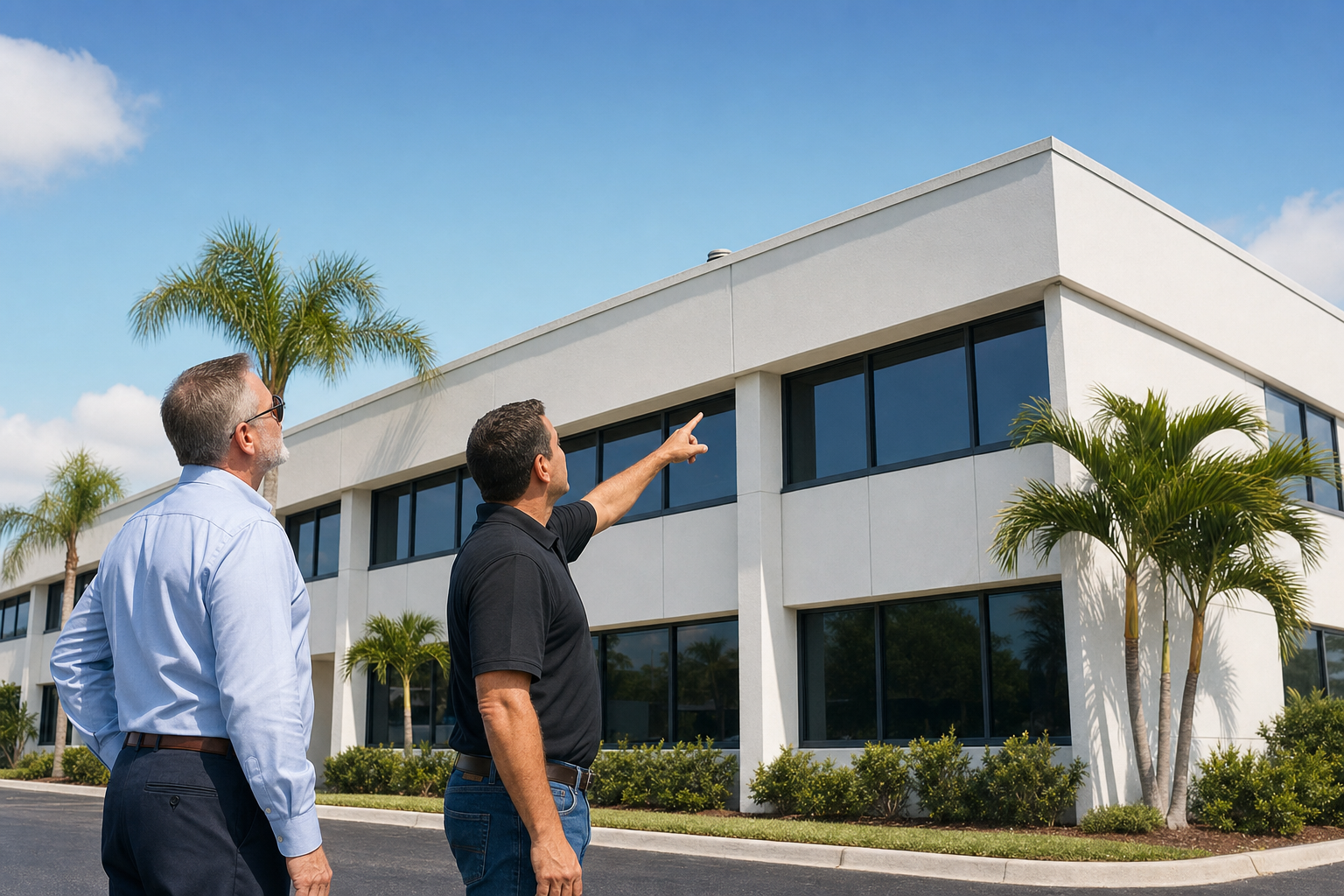
Duke Contractors provides commercial roofing inspections, estimates, and flat-roof guidance for buildings across Miami-Dade, Broward, Palm Beach, Monroe County, the Florida Keys, Doral, Miami, and South Florida. If your building has an aging Firestone or Elevate roof, recurring leaks, ponding water, or visible membrane wear, schedule a free commercial roof consultation and get a clear recommendation based on the roof you actually have. If you are comparing elevate commercial roofing South Florida options, request a commercial roof inspection Miami property managers can use for repair, restoration, or replacement planning.
References
- Elevate Commercial Roofing, “New Name: Elevate” ↩
- Elevate Commercial Roofing Systems ↩
- Elevate Asphalt Roofing Systems ↩
- NOAA / National Hurricane Center, Atlantic hurricane season climatology ↩
- Miami-Dade County Product Control/Product Approvals ↩
- Florida Building Code / ICC Digital Codes, HVHZ roofing standards ↩
