South Florida roofs work harder than roofs in many other parts of the country. Heat, salt air, sudden downpours, wind-driven rain, and hurricane-season weather can turn a small weakness into an active leak fast.
For homeowners in Miami-Dade, Broward, Palm Beach, and Monroe County, the most common South Florida roof repairs usually come down to three things: leaks, flashing problems, and storm-related damage. Knowing what those issues look like helps you act early, document what you see, and schedule a licensed roof inspection before the problem spreads into ceilings, insulation, fascia, or interior finishes. Duke Contractors LLC is a licensed Florida roofing contractor based in Doral, Florida, serving residential and commercial properties across South Florida.
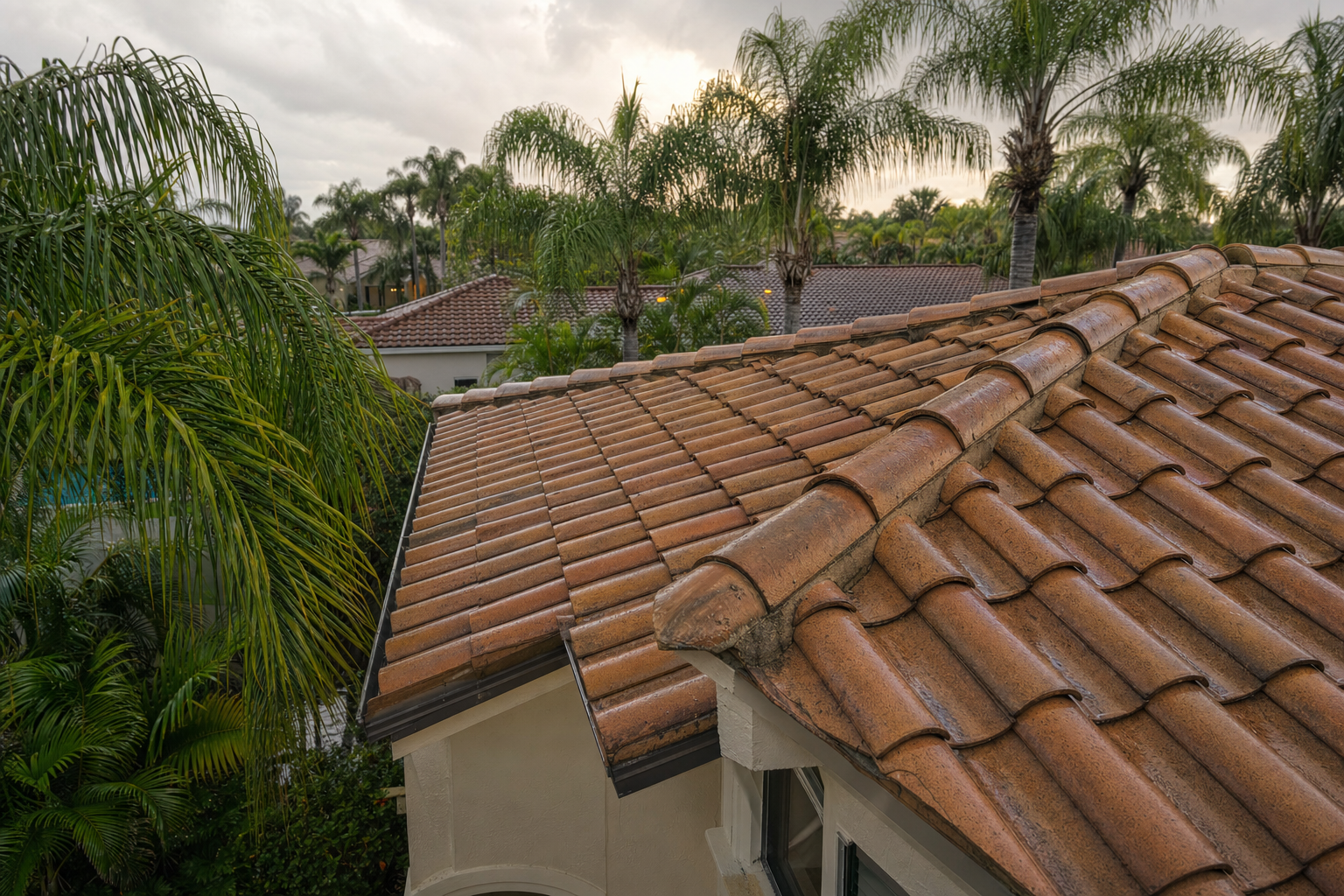
1. South Florida Roof Repairs for Leaks: Small Stains Can Point to Bigger Problems
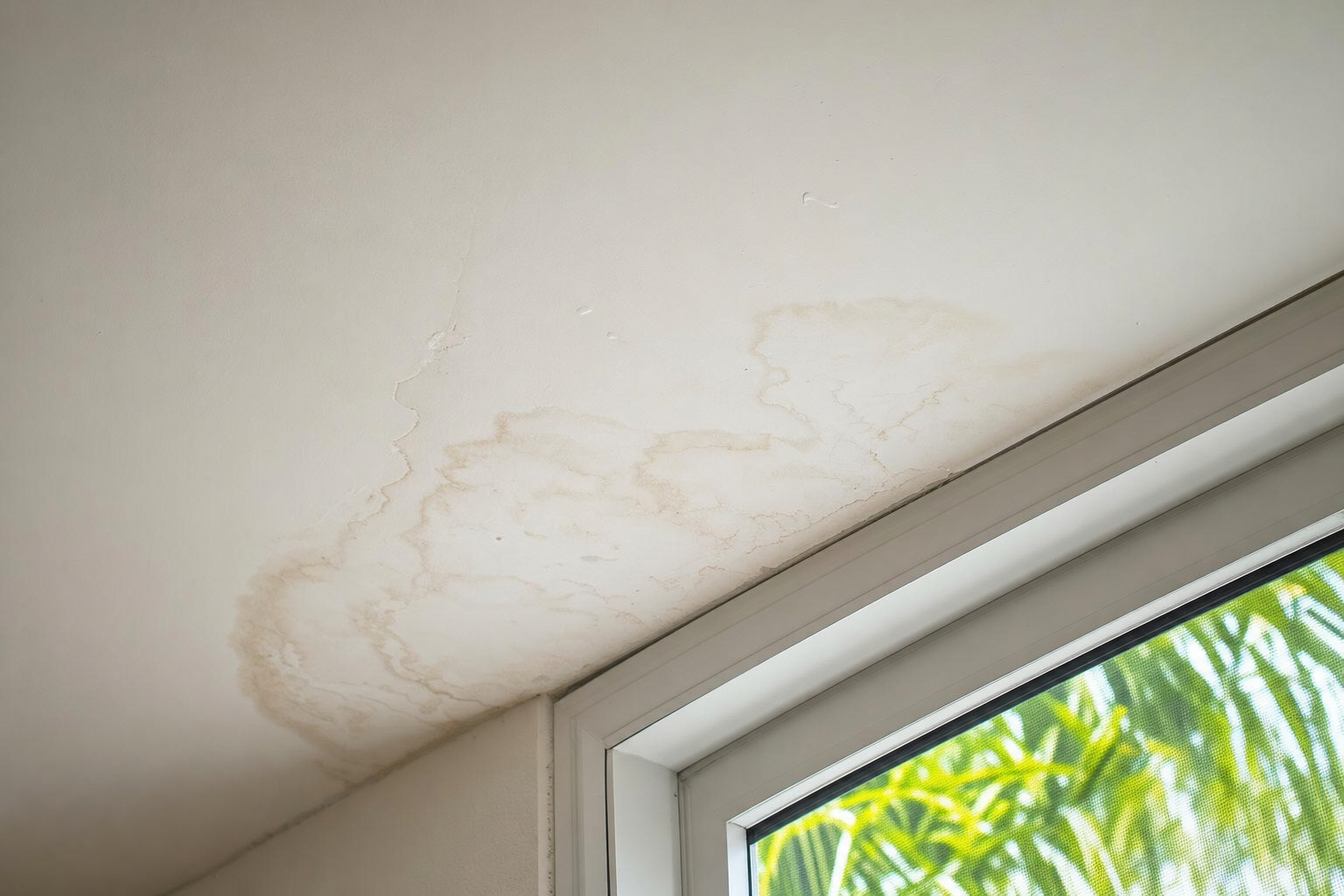
A roof leak does not always appear directly under the damaged spot. Water can enter around a cracked tile, lifted shingle, loose fastener, roof vent, skylight, or low-slope seam, then travel along decking or rafters before showing up as a ceiling stain.
Common warning signs include:
- Brown or yellow ceiling stains
- Damp drywall near exterior walls
- Musty smell in an attic or closet
- Dripping during wind-driven rain
- Peeling paint near ceiling corners
- Visible daylight in attic spaces
In South Florida, leaks often show up after repeated afternoon storms, tropical systems, or long periods of humidity. Wind-driven rain can enter openings that may not leak during a normal vertical rainfall, especially around roof edges, vents, valleys, and flashing. On shingle roofs, missing granules, lifted tabs, and exposed nail heads can create water paths. On tile roofs, broken tiles or shifted pieces can expose the underlayment beneath.
Tile roofs rely on underlayment beneath the visible tile for waterproofing. Underlayment is the waterproofing layer beneath tile or other roof coverings, which means a tile roof can have visible surface damage and hidden waterproofing concerns at the same time. For homeowners comparing roof leak repair South Florida options, that difference matters because the visible tile is only part of the system.
On flat commercial roofs, ponding water, UV-damaged membrane areas, and weak seams can create leak paths over time. Ponding water means standing water that remains on a low-slope or flat roof after rainfall. If a leak appears after repeated rain, a licensed roofer should check the full water path, not only the ceiling stain. For broader repair help, see roofing repair services in South Florida.
Atlantic hurricane season runs from June 1 through November 30, which makes late spring and early summer a smart time to inspect vulnerable roof areas. [1]
2. Flashing Repairs Around Roof Penetrations
Flashing is the metal or waterproof transition material that directs water away from roof seams and penetrations. You usually find it around chimneys, vents, skylights, walls, valleys, and roof edges. Its job is simple: move water away from openings and seams.
Flashing protects roof transitions around vents, walls, chimneys, skylights, valleys, and edges. When flashing fails, leaks can appear even when the main roofing material still looks intact. In South Florida, flashing problems are often caused by:
- Corrosion from salt-heavy coastal air
- Sealant drying out under intense UV exposure
- Poor installation around vents or wall intersections
- Wind lifting metal edges
- Movement between roof materials during heat cycles
Flashing repair Florida homeowners and property managers need is not just adding more caulk. A proper repair may require removing nearby shingles or tiles, replacing damaged metal, resealing penetrations, and checking the underlayment or decking below. On flat roofs, flashing around parapet walls, drains, HVAC curbs, and pipe penetrations needs special attention because standing water can stress weak transitions.
For Miami, Fort Lauderdale, West Palm Beach, and the Florida Keys, flashing is one of the first places a licensed roofer should check when a leak only appears during hard sideways rain. If the concern started after a weather event, a storm damage roof inspection can help document visible conditions before repair decisions are made.
3. Storm Damage: Wind, Rain, Debris, and Uplift
Storm damage is not always dramatic from the ground. A roof can look mostly normal while still having lifted shingles, cracked tiles, punctured membrane, loosened ridge caps, or exposed fasteners. Tropical storm bands can push rain under roof edges and into small openings that would not leak during a normal shower.
Wind uplift means wind pressure that can loosen roofing materials from the roof deck or edges. That pressure can affect shingles, tiles, ridge caps, flashing, fasteners, and metal trim. After a strong storm, homeowners should look safely from the ground for:
- Missing or shifted shingles
- Cracked, slipped, or missing tiles
- Bent flashing or loose metal trim
- Branch impact marks
- Gutter sections pulled away from fascia
- Interior water stains after the storm
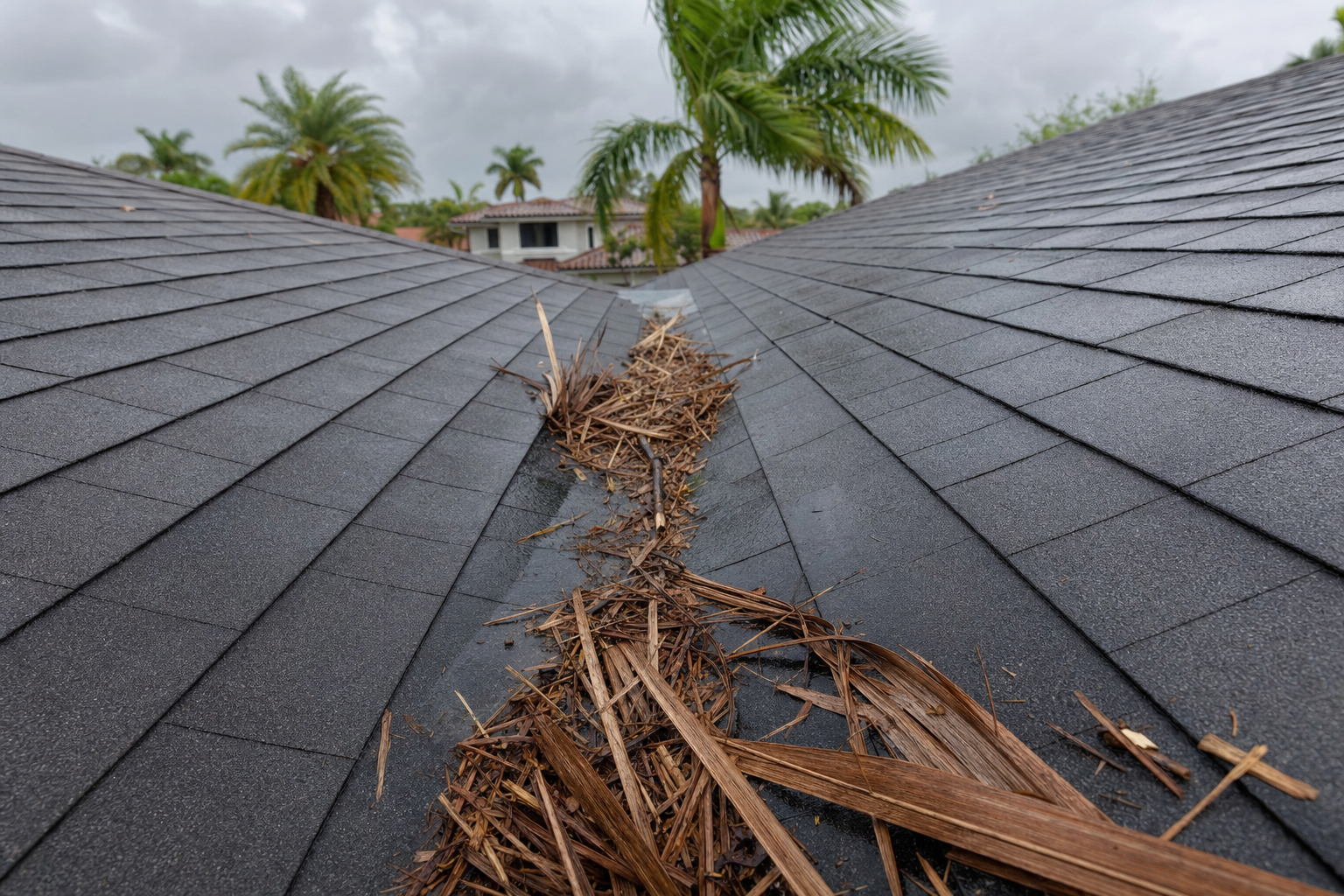
- Debris collected in valleys or flat-roof drains
Do not climb onto the roof after severe weather. Wet surfaces, unstable tiles, hidden soft spots, and loose debris can make the roof unsafe. Photos from the ground, attic notes, and dated observations can help create a clean record of what changed after the weather event without making assumptions about insurance outcomes. IBHS recommends routine roof maintenance and attention to roof openings and attachments as part of storm-resilience planning. [2]
Hurricane roof damage South Florida property owners should document can include visible debris impact, missing materials, lifted edges, new water stains, damaged gutters, and changed roof conditions after the storm. A licensed roofer can review those conditions safely and explain whether repair, monitoring, or a larger replacement conversation is appropriate.
4. South Florida Roof Repair Needs by Roof Type
South Florida homes and commercial buildings use different roof systems, and each has its own repair patterns.
Asphalt shingle roofs: Common issues include lifted shingles, nail pops, granule loss, ridge-cap damage, and leaks around vents. Wind can loosen tabs, especially on older roofs.
Tile roofs: Clay and concrete tile can crack from impact or foot traffic. The visible tile sheds water, but the underlayment does much of the waterproofing work, so hidden aging matters. That is why residential roofing in Miami and South Florida should include both surface review and underlayment awareness.
Metal roofs: Fasteners, seams, sealant, and flashing details need regular checks. Coastal corrosion can affect exposed components over time.
Flat commercial roofs: TPO and modified bitumen systems often need attention around seams, drains, ponding areas, rooftop units, and parapet walls. Flat roof repair South Florida property owners request should include drain, seam, membrane, and parapet-wall checks because water movement is different on low-slope systems. Learn more about commercial flat roof repair.
Severe hail is one inch in diameter or larger, and that size can damage roofs, vehicles, and exterior surfaces. [3]
5. When to Schedule a Roof Inspection
For South Florida roof repairs, inspection timing matters most after repeated rain, wind-driven leaks, or visible storm impact. Schedule a roof inspection when you see active leaks, new ceiling stains, missing materials, storm debris impact, or a sudden change after heavy weather. You should also consider an inspection before hurricane season, after major wind events, and when an older roof is approaching renewal or real estate documentation needs.
A good roof inspection Miami homeowners and property managers can use should include roof surface review, flashing checks, attic or ceiling evidence when accessible, photos of observed conditions, condition notes, practical repair recommendations, repair priorities, and an estimate path. The goal is clear information: what is damaged, what is aging, what should be repaired now, what can be monitored, and when a repair may turn into a replacement conversation after inspection.
Duke Contractors LLC serves Miami-Dade County, Broward County, Palm Beach County, Monroe County, and the Florida Keys from its Doral headquarters. The company holds Florida State Roofing License CCC1325931 and works across residential and commercial roofing systems, including GAF, Elevate, Polyglass, and Versico product contexts where relevant.
FAQs About South Florida Roof Repairs
What are the most common South Florida roof repairs?
The most common South Florida roof repairs involve leaks, flashing failures, cracked or shifted tiles, lifted shingles, flat-roof seams, storm debris impact, and wind-driven rain entry points.
Can a small roof leak wait?
It is better to inspect it early. A small leak can spread into decking, insulation, drywall, and fascia, especially during repeated South Florida rain.
Should I inspect my roof before hurricane season?
Yes. A pre-season inspection can identify loose materials, aging flashing, clogged drains, cracked tiles, and vulnerable roof penetrations before repeated summer storms arrive.
Can wind-driven rain cause a roof leak?
Yes. Wind-driven rain can push water under roof edges, around flashing, through lifted shingles, into valleys, and around vents or skylights.
What should I document after roof storm damage?
Homeowners should document dates, ground-level photos, visible debris impact, missing materials, new ceiling stains, and any changes noticed after the storm.
Who should homeowners call for roof leak repair in South Florida?
Homeowners should contact a licensed Florida roofing contractor that can inspect the roof safely, document visible conditions, and recommend practical repair options.
Do flat commercial roofs need different repairs?
Yes. Flat roofs often require seam, drain, flashing, ponding-water, membrane, rooftop-unit, and parapet-wall repairs instead of shingle or tile replacement.
Closing CTA
If you are seeing a leak, loose flashing, missing roofing materials, or storm damage around your South Florida property, schedule a roofing estimate with Duke Contractors. We serve Miami-Dade, Broward, Palm Beach, Monroe County, the Florida Keys, and surrounding South Florida communities with residential and commercial roofing repairs.
References
